
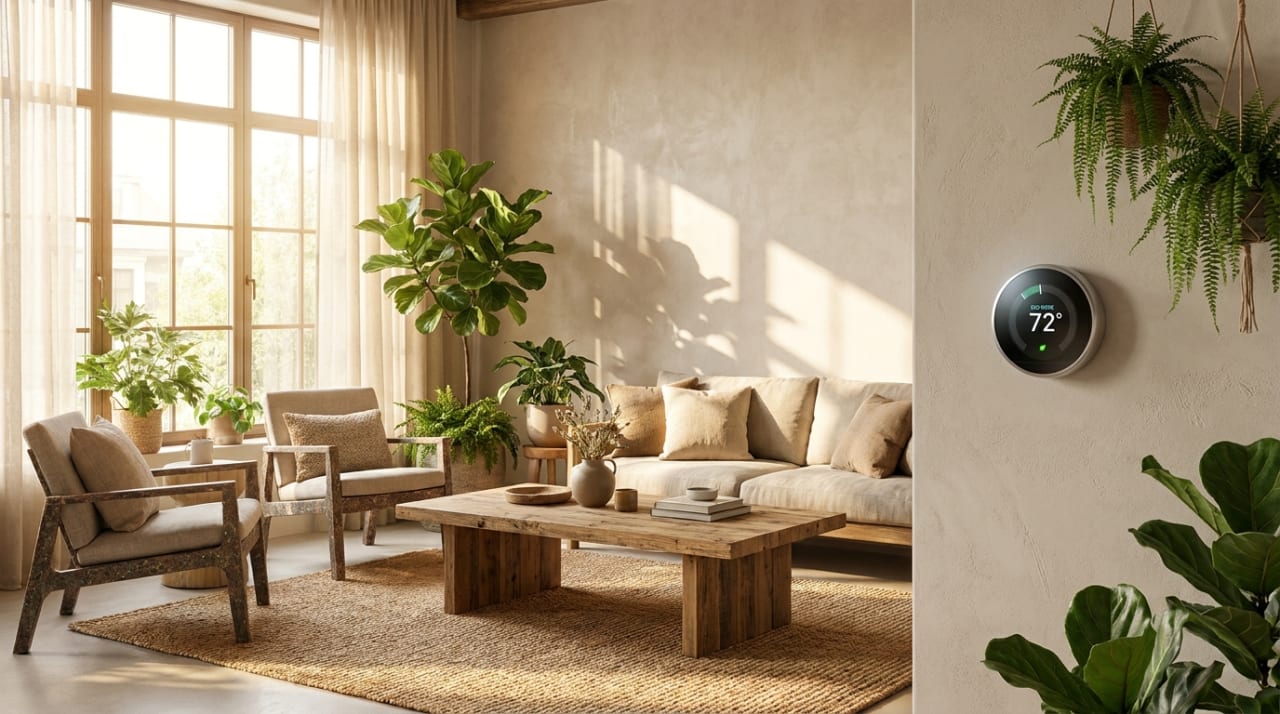
The future of our homes is green, and if NeoCon 2026 proved anything, it is that sustainable living is no longer an optional upgrade but a fundamental design imperative. From cutting-edge materials to intelligent energy management, the world's leading commercial design fair, which now significantly influences residential trends, underscored sustainability as the core pillar for all future projects. This shift reflects a burgeoning demand from homeowners, renters, and designers alike who are prioritizing environmental responsibility without compromising on style or comfort.
NeoCon 2026 wasn't just about showcasing pretty spaces. It was about defining how we build, furnish, and experience our environments in harmony with the planet. The talks and exhibits at this year’s conference highlighted a holistic approach to eco-conscious living, moving beyond simple recycling to embrace circularity, regeneration, and human well-being. This signals a clear direction for anyone looking to create more mindful and efficient living spaces, whether you are a homeowner planning a renovation, a renter looking to personalize your space, or a professional stager seeking to appeal to a greener market.
At RoomEnhance, we believe that exploring these green design principles should be accessible and intuitive. Our AI interior-design platform allows you to virtually experiment with the very sustainable design choices championed at NeoCon 2026. You can visualize natural, recycled, and durable materials, plan layouts that maximize energy efficiency, and align your aesthetic vision with 2026's green design imperative.
To help you navigate this exciting shift, we've distilled five key sustainability takeaways from the NeoCon 2026 talks that will shape how we design our homes in the coming years.
1. The Rise of Hyper-Local, Bio-Based Materials
NeoCon 2026 shone a spotlight on materials sourced and produced regionally, significantly reducing carbon footprints associated with long-distance transportation. Beyond simple local sourcing, there's a strong push for materials that are bio-based—derived from living organisms or natural processes, designed to be renewable, biodegradable, or compostable. This moves us away from finite resources and towards a regenerative material economy.
Consider hempcrete, a lightweight, insulating material made from hemp hurds and lime, which boasts excellent thermal performance and even sequesters carbon during its growth. Imagine insulating an extension with locally grown hemp, instead of conventional fiberglass. Another example is mushroom mycelium, increasingly used to create furniture components, acoustic panels, and even packaging. These materials are not only sustainable but also often offer unique textures and properties, like the subtle, organic feel of mycelium-based acoustic tiles in a living room, improving sound quality without relying on synthetic foams. The shift means prioritizing materials like bamboo flooring from nearby sustainable forests, instead of exotic hardwoods, or embracing recycled glass countertops manufactured within a 100-mile radius.
The implication for you is a broader, more ethical palette of materials. RoomEnhance empowers you to virtually "try on" these novel materials. You can preview how a desk made from compressed agricultural waste looks in your home office or how a wall covered in flax linen wall coverings from a regional supplier might transform your bedroom's ambiance. This allows for experimentation with the aesthetic and textural qualities of these innovative, eco-friendly choices long before making a purchase. For a deeper dive, explore our guide on Sustainable Home Design: Creating Beautiful Spaces That Respect Our Planet.
2. Embracing Circularity and Adaptive Reuse
The conversation at NeoCon 2026 moved decisively beyond "reduce, reuse, recycle" to a more comprehensive "circular economy" model. This means designing products and spaces for longevity, adaptability, and eventual disassembly, ensuring materials can re-enter the production cycle rather than ending up in landfills. Adaptive reuse, which involves repurposing existing structures for new functions, was also a significant theme, celebrating the inherent sustainability of using what already exists.
For homeowners, this translates into making conscious choices about the lifespan of your furnishings and structural elements. Instead of buying a disposable plastic chair, you might invest in a modular sofa system with replaceable cushions and covers, designed for repair and eventual material recovery. Think about a kitchen cabinet system with standardized components that can be reconfigured or updated over time, rather than a fixed, built-in design that gets ripped out during the next renovation. For existing spaces, adaptive reuse could mean transforming an underutilized attic into a vibrant studio apartment, preserving the building's historical character while giving it new life and avoiding new construction waste. The financial benefit is clear: extending product life reduces replacement costs, while adaptive reuse saves demolition and new construction expenses, often making your initial investment more sensible over the long term.
RoomEnhance helps you visualize these circular strategies. You can experiment with modular furniture configurations to see how they adapt to different room layouts over time. Our platform allows you to upload photos of an existing space and explore ways to repurpose it—perhaps transforming a formal dining room into a multi-functional family hub, assessing the visual impact of open shelving made from reclaimed wood, or seeing how a vintage piece of furniture could be integrated into a modern setting, breathing new life into old treasures.
3. Prioritizing Biophilic Design for Wellbeing
Biophilic design, the concept of connecting humans with nature within built environments, was a prominent and evolved takeaway from NeoCon 2026. It's not just about adding a few potted plants anymore. The emphasis is on deep, intentional integration of natural elements, patterns, and processes to enhance occupant health, productivity, and overall well-being. This includes maximizing natural light, incorporating natural textures and colors, optimizing views of nature, and improving indoor air quality.
Imagine a living room designed with large, strategically placed windows that flood the space with diffused natural light throughout the day, reducing the need for artificial lighting. Instead of stark, angular lines, furniture might feature soft, organic curves and materials like unfinished wood or stone, mimicking natural forms. A true biophilic space might include a vertical garden wall not just for aesthetics but to improve air quality and humidity. A home office could feature an intelligent ventilation system that monitors CO2 levels and brings in fresh, filtered outdoor air, preventing afternoon sluggishness. Research consistently shows that biophilic elements can lower stress, improve cognitive function, and even speed up recovery times in healthcare settings. Applying these principles at home makes your personal sanctuary truly restorative.
With RoomEnhance, you can explore biophilic elements virtually. Experiment with different window treatments to optimize natural light, or visualize how a strategically placed skylight might brighten a dark hallway. You can see how introducing natural wood finishes on cabinetry, a pebble-textured wallpaper, or a curated selection of large indoor plants impacts the overall feel and serenity of a room. This allows you to design spaces that aren't just beautiful, but genuinely contribute to your mental and physical health. Dive deeper into creating green spaces with our Sustainable Interior Design: 20 Eco-Friendly Tips That Save Money.
4. Advanced Energy Efficiency and Smart Building Envelopes
The commitment to energy efficiency at NeoCon 2026 was palpable, with a strong focus on advanced materials and integrated smart technologies that create truly responsive and low-energy homes. This goes beyond energy-efficient appliances to encompass the entire building envelope—walls, roof, windows, and foundation—as well as smart systems that intelligently manage energy consumption.
Consider a home equipped with advanced aerogel insulation, which offers significantly higher R-values than traditional materials, reducing heat transfer through walls by up to 30%. Paired with triple-glazed, low-emissivity (low-E) windows that block unwanted solar heat gain in summer and retain warmth in winter, the operational energy needs for heating and cooling can plummet. Smart thermostats, integrated with occupancy sensors and local weather data, learn your habits and adjust temperatures dynamically, ensuring comfort only when and where it's needed. For instance, your smart system could pre-cool your bedroom by two degrees an hour before you typically arrive home on a hot day, and then automatically raise the temperature after you’ve left for work. Solar panels are becoming standard, of course, but the focus is also on energy storage solutions, like home battery systems, that make residential solar truly independent and resilient.
RoomEnhance offers powerful tools to plan for energy efficiency. You can visualize the impact of different window sizes and placements on natural light and thermal gain, understanding how a south-facing window with an overhang can harness passive solar heat in winter while shading the interior in summer. Experiment with potential layouts that optimize cross-ventilation, reducing reliance on air conditioning. Our platform can even help you mock up different lighting schemes to evaluate how energy-efficient LED fixtures integrate into your overall design, creating bright, inviting spaces with minimal power consumption. For comprehensive advice, check out The Complete Guide to Sustainable Room Enhancement: Expert Insights for 2025.
5. Inclusive and Accessible Green Design
A crucial and expanding theme at NeoCon 2026 was the integration of inclusive and accessible design principles into sustainable practices. Sustainable design should not only benefit the planet but also genuinely serve all people, regardless of age, ability, or background. This means thoughtful consideration of material toxicity, universal design standards, and creating spaces that are inherently adaptable and welcoming.
For example, designing a kitchen with adjustable-height countertops and pull-out shelving, not just to accommodate wheelchair users, but also to provide ergonomic comfort for a tall chef or a child helping with baking. Material choices become even more critical: opting for low-VOC (volatile organic compound) paints, natural sealants, and furniture made without flame retardants or formaldehyde significantly improves indoor air quality, which is particularly vital for individuals with respiratory sensitivities or young children. An accessible bathroom might feature a curbless shower and grab bars that are subtly integrated into the design, appearing as elegant fixtures rather than purely functional aids. Lighting design, too, plays a role: tunable white light systems can adjust color temperature throughout the day, supporting circadian rhythms for people with visual impairments or those who spend significant time indoors.
RoomEnhance encourages you to consider these inclusive aspects. While our AI can't measure individual toxicity levels, it can help you visualize designs that prioritize clear pathways, optimal lighting for visibility, and adaptable furniture arrangements. You can experiment with wider doorways, lower countertops, or varied seating heights in your virtual designs, ensuring your space is comfortable and functional for everyone who uses it. This thoughtful approach to design ensures that your commitment to sustainability extends to the well-being of every occupant. Read more on this perspective in Sustainable Decor: The Future of Interior Design.
Design Your Eco-Conscious Future Today
NeoCon 2026 has provided a powerful vision for the future of residential design: one where beauty, comfort, and functionality are seamlessly interwoven with environmental responsibility and human well-being. These five takeaways—from bio-based materials and circularity to biophilic integration, advanced energy efficiency, and inclusive design—offer a roadmap for creating homes that truly nurture both their inhabitants and the planet.
Implementing these principles might seem daunting, but it doesn't have to be. With RoomEnhance, you have a powerful, intuitive platform to explore, experiment, and envision your sustainable home. Start visualizing natural textures, optimizing energy-efficient layouts, and planning spaces that reflect a deeper commitment to green living. Your journey to an eco-conscious home begins with a single design choice, and RoomEnhance is here to guide you every step of the way.
Topics covered in this article:
Your weekly interior design & AI brief.
Room inspiration, design tips, and the AI tools transforming how spaces get styled. Free, every week.
Read this week's issueRelated Articles
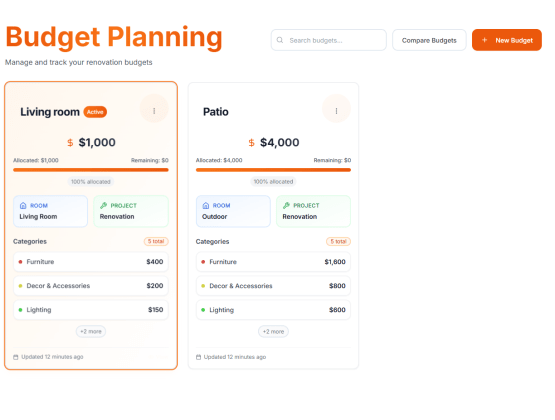
AI Budget Planning: Smart Financial Strategies for Home Renovation Success | Complete Guide to Intelligent Budget Optimization – Multi-Budget Management, Real-Time Cost Analysis & Professional Financial Planning Tools | Transform Your Renovation Finance with Predictive Analytics
Master intelligent budget planning with AI-powered financial optimization. Learn how smart budget allocation, predictive cost modeling, and strategic planning can maximize renovation impact while minimizing financial risk.

AI Cost Analysis: The Ultimate Guide to Smart Renovation Budgeting | Complete Professional Cost Estimation Tutorial – Real-Time Market Pricing, Intelligent Budget Optimization & Predictive Analytics | Save Thousands on Home Improvement Projects with AI-Powered Financial Planning
Master AI-powered cost analysis for home renovations. Learn how intelligent budget planning, pricing, and smart cost optimization can save thousands on your next project.

30 Bathroom Renovation Ideas That Add Value & Style | Modern Bathroom Makeover Guide – Budget-Friendly Updates to Luxury Transforms | 2025 Design Trends
Transform your bathroom with 30 innovative renovation ideas ranging from budget updates to complete makeovers. Discover modern design trends that boost home value and enhance daily routines.
Ready to Transform Your Space?
See how your room would look with a completely new design. Our AI can help you visualize different styles in minutes.