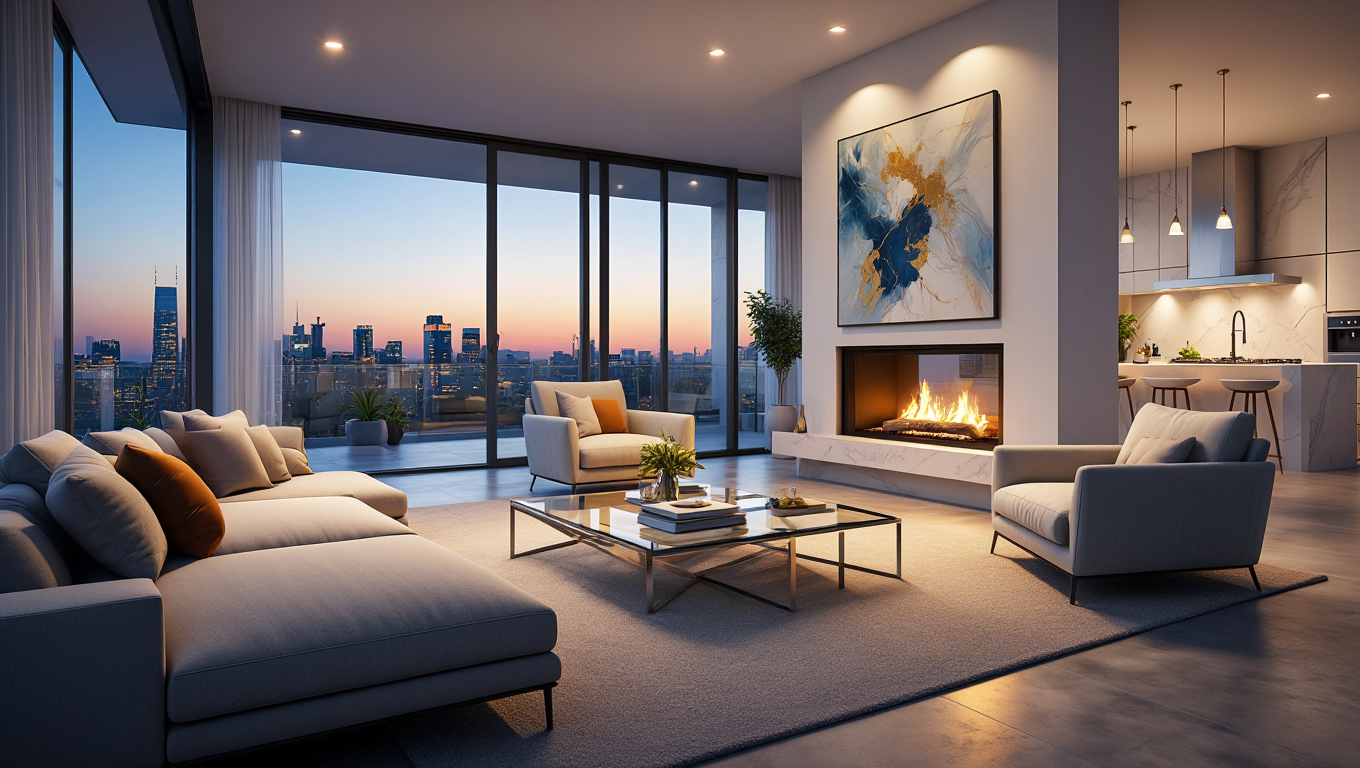

Sustainable Interior Design: 20 Eco-Friendly Tips That Save Money
Sustainable interior design has evolved from a niche trend to an essential approach that benefits both environmental health and household budgets. By making conscious choices about materials, furniture, energy consumption, and waste reduction, homeowners can create beautiful spaces that minimize environmental impact while often reducing long-term costs through energy efficiency and durability.
This comprehensive guide provides practical strategies for incorporating sustainability into every aspect of interior design, from material selection to maintenance practices. These approaches demonstrate that environmental responsibility and aesthetic excellence are not only compatible but often mutually reinforcing.
Understanding Sustainable Design Principles
The Three Pillars of Sustainability
Environmental Responsibility: Minimizing negative impact on ecosystems through material choices, energy consumption reduction, and waste elimination throughout the design process and product lifecycle.
Economic Viability: Creating designs that provide long-term value through durability, energy efficiency, and reduced maintenance requirements that justify initial investments.
Social Equity: Supporting fair labor practices, community development, and healthy living environments that contribute to overall societal well-being.
Lifecycle Thinking in Design
Cradle-to-Cradle Philosophy: Consider the complete lifecycle of every material and product, from resource extraction through manufacturing, use, and eventual disposal or recycling.
Embodied Energy Assessment: Evaluate the total energy required to produce, transport, and install materials, often revealing that local, minimally processed options have lower environmental impact than high-tech alternatives.
20 Essential Sustainable Design Tips
Energy Efficiency and Conservation
1. Maximize Natural Light Utilization
Strategic Window Treatments:
- Use light-filtering cellular shades that insulate while allowing natural light
- Install automated blinds that adjust throughout the day to optimize light and temperature
- Choose reflective window films that reduce heat gain without blocking light
- Position mirrors opposite windows to amplify and distribute natural light
Skylights and Light Tubes:
- Install energy-efficient skylights in interior spaces lacking windows
- Use solar light tubes for bringing natural light to hallways and closets
- Consider smart skylights with automated opening for ventilation
2. LED Lighting Systems
Energy-Efficient Lighting Design:
- Replace all incandescent and CFL bulbs with LED alternatives
- Install dimmer switches to reduce energy consumption and extend bulb life
- Use task lighting to illuminate specific areas rather than over-lighting entire rooms
- Choose LEDs with adjustable color temperature for circadian rhythm support
Smart Lighting Integration:
- Motion sensors in low-use areas like closets and bathrooms
- Programmable timers for consistent energy savings
- Daylight sensors that adjust artificial lighting based on natural light availability
3. Energy-Efficient HVAC Integration
Zone Control Systems:
- Install programmable thermostats in different areas for targeted climate control
- Use ceiling fans to circulate air and reduce HVAC load
- Seal air leaks around windows, doors, and electrical outlets
- Insulate properly to reduce heating and cooling demands
Sustainable Material Selection
4. Reclaimed and Recycled Materials
Reclaimed Wood Applications:
- Flooring from reclaimed barn wood or old building materials
- Accent walls using pallet wood or reclaimed fence boards
- Custom furniture built from salvaged architectural elements
- Shelving and storage solutions from repurposed materials
Recycled Content Products:
- Carpeting made from recycled plastic bottles
- Countertops from recycled glass or paper
- Insulation from recycled denim or cellulose
- Tile made from recycled ceramics or glass
5. Low-Impact Natural Materials
Rapidly Renewable Resources:
- Bamboo flooring and furniture (bamboo grows 30x faster than hardwood)
- Cork flooring that regenerates without killing trees
- Hemp textiles for upholstery and window treatments
- Wool carpeting as natural, biodegradable flooring
Local Material Sourcing:
- Stone and timber from regional quarries and forests
- Clay and ceramics from local artisans
- Textiles from regional producers
- Furniture from local craftspeople and manufacturers
6. Non-Toxic Finishes and Adhesives
Healthy Indoor Air Quality:
- Zero-VOC or low-VOC paints for walls and furniture
- Natural wood finishes like tung oil or beeswax
- Formaldehyde-free composite materials and adhesives
- Natural fiber carpets and rugs without chemical treatments
Furniture and Furnishing Strategies
7. Quality Over Quantity Philosophy
Investment in Durability:
- Choose solid wood furniture over particle board alternatives
- Select pieces with classic designs that won't become dated
- Prioritize modular furniture that adapts to changing needs
- Invest in reupholsterable seating for long-term use
8. Multi-Functional Furniture
Space and Resource Efficiency:
- Storage ottomans that provide seating and organization
- Dining tables that expand for entertaining
- Murphy beds that convert rooms for multiple uses
- Modular shelving systems that adapt to different configurations
9. Vintage and Antique Integration
Circular Economy Participation:
- Restore vintage furniture rather than buying new
- Shop estate sales and auctions for unique pieces
- Repurpose furniture for new functions (desk becomes vanity)
- Mix antique pieces with modern elements for eclectic appeal
Water Conservation and Management
10. Low-Flow Fixture Installation
Bathroom Efficiency:
- Install low-flow showerheads that maintain pressure while reducing water use
- Choose dual-flush toilets for appropriate water usage
- Select faucets with aerators and automatic shut-off features
- Consider composting toilets in appropriate situations
11. Greywater Systems
Water Reuse Integration:
- Direct washing machine water to landscape irrigation
- Install greywater systems for toilet and laundry water reuse
- Use rainwater collection for interior plant watering
- Choose native plants that require minimal irrigation
Indoor Air Quality Enhancement
12. Natural Air Purification
Plants as Air Filters:
- Snake plants for bedroom air purification (produce oxygen at night)
- Spider plants for formaldehyde and benzene removal
- Peace lilies for ammonia and acetone filtration
- Rubber trees for comprehensive air cleaning
Chemical-Free Cleaning:
- Use vinegar, baking soda, and lemon for most cleaning tasks
- Choose plant-based cleaning products with minimal packaging
- Make homemade air fresheners with essential oils
- Avoid aerosol products and synthetic fragrances
13. Natural Ventilation Optimization
Passive Air Movement:
- Position windows for cross-ventilation
- Install operable skylights for stack ventilation
- Use whole-house fans for nighttime cooling
- Create air pathways with strategic door and window placement
Waste Reduction Strategies
14. Repair and Restoration Focus
Extending Product Lifecycles:
- Learn basic furniture repair techniques for minor damage
- Reupholster rather than replace seating
- Refinish wood surfaces instead of buying new
- Repair appliances when cost-effective rather than replacing
15. Deconstruction Over Demolition
Material Recovery:
- Carefully remove materials during renovations for reuse
- Donate usable items to habitat for humanity or similar organizations
- Sell valuable architectural elements to salvage companies
- Repurpose materials within the same project when possible
Energy Generation and Storage
16. Solar Integration
Renewable Energy Sources:
- Install solar panels for electricity generation
- Use solar water heating systems
- Incorporate solar lighting for outdoor spaces
- Consider battery storage systems for energy independence
17. Passive Solar Design
Building Orientation and Design:
- Position windows to maximize winter sun gain
- Use overhangs to block summer sun
- Install thermal mass materials to store and release heat
- Design for natural ventilation and cooling
Technology and Smart Systems
18. Smart Home Energy Management
Automated Efficiency:
- Install smart thermostats that learn usage patterns
- Use smart power strips that eliminate phantom loads
- Implement whole-home energy monitoring systems
- Choose ENERGY STAR certified appliances and electronics
Sustainable Textiles and Soft Goods
19. Organic and Natural Fiber Selection
Healthy Textile Choices:
- Organic cotton for bedding and curtains
- Linen from sustainably grown flax
- Wool from ethically raised animals
- Silk from responsible producers
Textile Care and Maintenance:
- Wash in cold water when possible
- Air dry instead of using electric dryers
- Use eco-friendly detergents and fabric softeners
- Repair and mend rather than replace damaged textiles
Community and Local Economy Support
20. Local Artisan and Craftsperson Support
Community Investment:
- Commission custom furniture from local woodworkers
- Purchase textiles and artwork from regional artists
- Support local nurseries for plant purchases
- Choose contractors and tradespeople from the community
Sustainable Design Room by Room
Living Room Sustainability
Furniture Selection:
- Choose sofas with certified sustainable wood frames
- Select upholstery fabrics made from natural or recycled fibers
- Use area rugs made from natural materials or recycled content
- Position furniture to maximize natural light and reduce artificial lighting needs
Energy Efficiency:
- Install programmable thermostats for zone control
- Use LED bulbs in all fixtures
- Choose energy-efficient entertainment systems
- Add thermal curtains to reduce heat loss through windows
Kitchen Sustainability
Appliance Efficiency:
- Select ENERGY STAR certified appliances
- Choose induction cooktops for energy efficiency
- Install efficient range hoods with variable speed controls
- Consider convection ovens for reduced cooking times
Material Choices:
- Use recycled glass or paper countertops
- Choose cabinets made from certified sustainable wood or bamboo
- Select flooring from rapidly renewable materials
- Install water-efficient faucets and fixtures
Bedroom Sustainability
Sleep Environment:
- Choose organic cotton or bamboo bedding
- Select mattresses made from natural latex or certified foams
- Use blackout curtains made from sustainable materials
- Install ceiling fans for natural air circulation
Furniture Considerations:
- Choose solid wood furniture over particle board
- Select pieces with non-toxic finishes
- Use vintage or antique pieces for character and sustainability
- Invest in quality pieces that will last decades
Bathroom Sustainability
Water Conservation:
- Install low-flow showerheads and faucets
- Choose dual-flush or composting toilets
- Use natural materials for vanities and storage
- Select towels and linens made from organic materials
Chemical Reduction:
- Use natural cleaning products
- Choose personal care items with minimal packaging
- Install ventilation fans to reduce moisture and prevent mold
- Select paints and finishes with zero VOCs
Budget-Conscious Sustainable Design
Cost-Effective Green Strategies
DIY Approaches:
- Make natural cleaning products at home
- Refinish existing furniture instead of buying new
- Create artwork from natural or recycled materials
- Grow plants from seeds or cuttings
Phased Implementation:
- Replace items as they wear out rather than all at once
- Focus on high-impact changes first (lighting, major appliances)
- Take advantage of utility rebates for efficient appliances
- Shop for sustainable options during sales and clearance events
Long-Term Investment Thinking
Return on Investment:
- Calculate energy savings from efficient appliances and systems
- Consider the durability and longevity of sustainable materials
- Factor in health benefits from improved indoor air quality
- Account for potential increases in property value
Common Sustainable Design Mistakes
Greenwashing Awareness
Marketing vs. Reality:
- Verify environmental claims with third-party certifications
- Research company practices beyond marketing materials
- Look for specific data rather than vague environmental claims
- Choose products with transparent supply chain information
Over-Consumption in the Name of Sustainability
Conscious Consumption:
- Avoid replacing functional items just because better options exist
- Focus on needs rather than wants when making purchases
- Consider the environmental cost of disposal when upgrading
- Prioritize the most impactful changes rather than trying to do everything at once
Measuring Sustainability Impact
Tracking Environmental Benefits
Energy Monitoring:
- Use smart meters to track energy consumption changes
- Monitor water usage before and after efficiency improvements
- Calculate waste reduction through repair and reuse practices
- Track indoor air quality improvements with monitors
Cost-Benefit Analysis:
- Document upfront costs versus long-term savings
- Calculate payback periods for major investments
- Track maintenance cost reductions from durable materials
- Monitor health-related cost savings from improved indoor air quality
Future Trends in Sustainable Design
Emerging Technologies
Innovative Materials:
- Mycelium-based materials for furniture and insulation
- 3D-printed furniture from recycled plastics
- Bio-based paints and finishes from plant materials
- Smart materials that respond to environmental conditions
Energy Storage and Generation:
- Home battery systems for renewable energy storage
- Micro-wind turbines for residential use
- Geothermal systems for heating and cooling
- Solar integration in building materials themselves
Conclusion
Sustainable interior design represents a fundamental shift toward conscious consumption and environmental responsibility that doesn't require sacrificing beauty or comfort. By implementing these 20 eco-friendly strategies, homeowners can create spaces that are both environmentally beneficial and economically advantageous over time.
The key to successful sustainable design lies in taking a holistic approach that considers the environmental impact of every decision while maintaining focus on creating beautiful, functional living spaces. This approach requires initial research and sometimes higher upfront costs, but the long-term benefits to both the environment and household budgets make it a worthwhile investment.
Sustainability in interior design is not about perfection but about making better choices whenever possible. Every small improvement contributes to a larger impact, and the cumulative effect of many conscious decisions creates significant positive change for both individual households and the broader environment.
Start with the strategies that align with your current budget and renovation plans, then gradually incorporate additional sustainable practices as opportunities arise. The goal is progress, not perfection, and every step toward more sustainable living makes a meaningful difference.
Ready to visualize how sustainable design principles might transform your own space? Try Room Enhance AI now and explore how eco-friendly materials, energy-efficient layouts, and sustainable furnishings can create beautiful, environmentally responsible interiors.
Frequently Asked Questions
Q: Is sustainable interior design more expensive than traditional design? A: While some sustainable materials and products have higher upfront costs, they often provide long-term savings through durability, energy efficiency, and reduced maintenance. Many sustainable practices, like using natural cleaning products or buying vintage furniture, actually cost less than conventional alternatives.
Q: What are the most impactful sustainable design changes I can make? A: Focus on energy efficiency improvements (LED lighting, efficient appliances), indoor air quality enhancement (low-VOC materials, plants), and durable furniture investments. These changes provide the greatest environmental and financial returns.
Q: How can I verify that products are truly sustainable? A: Look for third-party certifications like ENERGY STAR, Forest Stewardship Council (FSC), GREENGUARD, or Cradle to Cradle. Research company practices and supply chains, and be wary of vague environmental claims without specific data.
Q: Can I make my existing home more sustainable without major renovations? A: Absolutely. Replace lighting with LEDs, add plants for air purification, use natural cleaning products, invest in quality textiles, and focus on repair and maintenance rather than replacement. These changes significantly improve sustainability without major construction.
Q: What's the best way to start incorporating sustainable design principles? A: Begin with your next planned purchase or renovation. Research sustainable alternatives for whatever you were already planning to buy or change. This approach allows you to gradually transition without overwhelming your budget or timeline.