

The Art of Perfect Lighting: Transform Your Space Through Illumination
The Power of Light: More Than Just Illumination
Light profoundly shapes how we experience spaces, influencing everything from our mood and productivity to our sense of welcome and peace. According to research by the Illuminating Engineering Society, proper lighting can increase perceived room value by up to 30% and significantly impact our psychological well-being.
But beyond statistics, light carries deeper significance. It guides us home on dark nights, creates atmosphere for meaningful gatherings, and transforms ordinary spaces into sanctuaries of peace and creativity. As the ancient saying goes, "Light dispels darkness" – both literally and metaphorically.
"Let your light shine before others, that they may see your good deeds..." — Matthew 5:16
This guide will help you harness the transformative power of light in your home, combining practical wisdom with inspirational insights.
Room-by-Room Lighting Guide

Living Room: Creating Connection
The living room serves multiple purposes – from quiet reading to lively gatherings. Your lighting should adapt accordingly.
Key Principles:
- Layer different light sources
- Install dimmers for flexibility
- Consider natural light patterns
- Create conversation areas with focused lighting
Recommended Setup:
- Recessed ceiling lights (ambient)
- Floor lamps near seating (task)
- Table lamps for warmth (accent)
- Wall sconces for depth (accent)
Design Tip: Position lighting to illuminate faces during conversation, creating a more intimate and welcoming atmosphere.
Kitchen: Functional Beauty
Kitchens require bright, clear light for safety and precision, but shouldn't feel clinical.
Essential Elements:
- Under-cabinet lighting for prep areas
- Pendant lights over islands/dining areas
- Recessed lights for general illumination
- Accent lighting inside glass cabinets (optional)
Safety Note: Ensure adequate lighting over all work surfaces to prevent accidents.
Bedroom: Sanctuary of Rest
Bedroom lighting should promote both relaxation and practical activities.
Implementation:
- Bedside reading lamps (adjustable preferred)
- Gentle overhead lighting with dimmer
- Soft accent lighting for ambiance
- Natural light control (blackout options)
"Evening, and morning, and at noon, will I pray..." — Psalm 55:17 Consider how your lighting supports daily rhythms of rest and renewal.
Creating Atmosphere Through Light
Light shapes how we feel in a space. Consider these principles:
1. Natural Light
- Position furniture to maximize daylight
- Use mirrors to reflect and amplify
- Consider window treatments for control
2. Color Temperature
- Warm light (2700-3000K) for relaxing spaces
- Cool light (3500-4000K) for task-focused areas
- Daylight (5000-6500K) for detailed work
3. Contrast and Shadow
- Create visual interest through light and shadow
- Use uplighting for dramatic effect
- Consider how light affects artwork and architectural features
Common Mistakes to Avoid
-
Insufficient Light Planning
- Solution: Create a lighting plan before installation
- Map out fixture locations
- Consider electrical needs
-
Overlooking Task Lighting
- Solution: Identify specific activity areas
- Provide adequate focused light
- Consider adjustable options
-
Ignoring Natural Light
- Solution: Work with window placement
- Plan artificial light to complement
- Consider seasonal changes
-
Forgetting Flexibility
- Solution: Install dimmers
- Provide multiple light sources
- Consider future needs
Thoughtful lighting transforms spaces from mere rooms into environments that nurture life, creativity, and connection. As you implement these principles, remember that good lighting should be both beautiful and purposeful, creating spaces where people naturally gather and flourish.
"Your word is a lamp to my feet and a light to my path." — Psalm 119:105
The best lighting designs, like the best lives, balance function with beauty, efficiency with warmth, and personal needs with hospitality toward others.
Entryway Lighting Tips:
- Welcome Warmth: Use warm color temperature bulbs (2700K-3000K) at the entrance for a welcoming glow.
- Visibility: Ensure the front door, lock, house numbers, and any steps are clearly illuminated.
- Fixture Placement: Wall lanterns flanking the door are classic. A single overhead pendant or flush mount can also work, depending on porch architecture. Ensure fixtures are appropriately scaled to the entrance size.
- Layering: Combine overhead/wall lighting with step lights or low-level lighting if needed for safety.
Outdoor Safety and Security:
- Pathways and Driveways: Use low-voltage path lights or post lanterns to illuminate walkways, preventing trips and falls.
- Steps and Decks: Install step lights or deck lights for safety.
- Perimeter Lighting: Motion-activated floodlights or spotlights can deter intruders and provide visibility when needed around the sides and back of the house. Position them carefully to avoid light pollution or annoying neighbors.
- Landscape Lighting: Uplighting trees or architectural features adds curb appeal and depth, but prioritize safety lighting first.
- Durability: Choose fixtures specifically rated for outdoor (wet location) use, made from durable, weather-resistant materials.
Hospitality Begins at the Door:
Providing a well-lit, safe passage to your door is a fundamental aspect of hospitality. It communicates care and consideration for your guests before they even step inside. This simple act reflects the biblical call to welcome others (Hebrews 13:2).
Troubleshooting Common Lighting Problems: Diagnosis and Solutions
Even with careful planning, lighting issues can arise. Knowing how to diagnose common problems can save time and frustration.
Image:
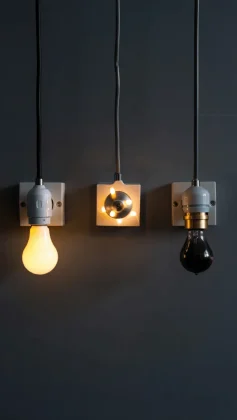 A visual guide showing common lighting problems like a flickering bulb, a dimmer switch emitting a buzz, or a bulb that has burned out prematurely.
Diagnosing Common Problems:
- Flickering Lights:
- Cause: Loose bulb (tighten gently), incompatible dimmer switch (especially with LEDs), faulty bulb, loose wiring connection, voltage fluctuations.
- Fix: Tighten bulb. Ensure bulb is dimmable and dimmer is LED-compatible. Try a different bulb. Check wiring connections (if comfortable and power is off). Consult electrician if persistent.
- Buzzing Sounds (often from dimmer):
- Cause: Often due to incompatibility between the dimmer and the bulb type (especially LEDs). Some slight buzzing can be normal, but loud buzzing indicates an issue. Overloaded dimmer.
- Fix: Ensure dimmer is rated for the bulb type (LED-compatible) and total wattage. Try a different brand/type of dimmable bulb. Replace dimmer if necessary.
- Bulbs Burning Out Quickly:
- Cause: Wrong wattage bulb for fixture (less common with LEDs, but check fixture limits), voltage surges, excessive vibration near fixture, poor quality bulbs, recessed fixtures trapping heat (use IC-rated fixtures if insulated).
- Fix: Use correct wattage/type bulb. Consider surge protector. Use rough-service bulbs if vibration is an issue. Buy reputable bulb brands. Ensure proper fixture rating/installation.
- Dim or Uneven Lighting:
- Cause: Bulb nearing end of life, wrong bulb type/lumens for the space, dirty fixtures/shades, poor layout.
- Fix: Replace bulb. Choose bulbs with appropriate lumens and color temperature. Clean fixtures regularly. Re-evaluate lighting layout/layering.
When to Call a Professional Electrician:
Safety First! Do not attempt electrical work beyond simple bulb changes or fixture replacement (if you are knowledgeable and follow safety precautions) unless you are qualified. Call a licensed electrician if:
- You suspect faulty wiring.
- Breakers trip frequently when lights are turned on.
- Fixtures feel hot or smell like burning plastic.
- You need new wiring run for additional fixtures or switches.
- You are uncomfortable or unsure about any electrical work.
Patience and Problem-Solving:
Troubleshooting requires patience. Approach issues systematically, starting with the simplest solutions (like checking the bulb). This practical problem-solving mirrors the perseverance often needed in our faith journey – addressing challenges step-by-step with diligence.
Conclusion: Let There Be Intentional Light
Lighting is far more than a utility; it's a powerful tool for shaping our environment, influencing our mood, and even reflecting our faith. By understanding the basics of lumens, Kelvin, and CRI, embracing the art of layering ambient, task, and accent lighting, and choosing fixtures that blend style with function, you can transform any room.
From the energy-saving stewardship of LEDs and the convenience of smart technology to the simple act of creating a safely lit path to your door, every lighting choice matters. Let your home be filled with light – light that is functional, beautiful, efficient, and welcoming. Let it be a space where darkness is overcome, both literally and spiritually.
Remember, every room deserves to shine, reflecting care, intention, and the warmth of welcome.
"For you were once darkness, but now you are light in the Lord. Live as children of light." — Ephesians 5:8
Ready to brighten your home? Explore our lighting ideas gallery for visual inspiration and subscribe for more tips on creating beautiful, functional, and faith-filled spaces!
Topics covered in this article:
Related Articles

Top AI Interior Design App Options Transforming Your Home Decor Choices
These apps harness artificial intelligence to generate personalized designs instantly, streamlining your journey from idea to reality. You don't need to be a design expert to use them.
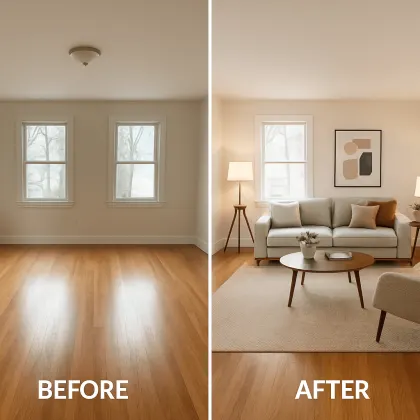
Top 7 Virtual Staging Software Solutions to Transform Your Property Listings
Virtual staging software flips traditional staging on its head by letting you instantly transform empty rooms into warm, inviting spaces — all digitally. No sweat, no heavy lifting.

Top 7 Features to Look for in a Furniture Placement App
A furniture placement app takes the stress out by letting you try out designs virtually, so you won't waste time or money moving heavy pieces around. With some platforms, you can even blend AI-powered design tools with expert guidance.
Ready to Transform Your Space?
See how your room would look with a completely new design. Our AI can help you visualize different styles in minutes.