

12 Breathtaking Modern Rustic House Designs That Perfectly Balance Nature and Luxury
Modern rustic architecture represents one of the most compelling design movements of our time—a sophisticated approach that honors traditional building methods and natural materials while embracing contemporary innovation, technology, and spatial concepts. These homes don't just exist in nature; they celebrate it, creating seamless connections between indoor and outdoor living while maintaining the comfort and functionality demanded by modern life.
The most successful modern rustic houses achieve something remarkable: they feel both timeless and thoroughly contemporary, rooted in place yet globally relevant. They use materials like reclaimed wood, natural stone, and weathered steel not as superficial styling choices but as integral elements that tell stories of place, time, and craft.
Understanding Modern Rustic Architecture
Modern rustic design transcends simple aesthetic choices to embrace a philosophy that values authenticity, sustainability, and connection to the natural environment. Unlike traditional rustic styles that can feel heavy or dated, modern rustic architecture uses clean lines, open floor plans, and strategic material combinations to create spaces that feel fresh, sophisticated, and timelessly elegant.
Core Design Principles
Material Authenticity: Every material is chosen for both its aesthetic and practical properties. Reclaimed barn wood brings history and character while providing excellent insulation. Natural stone connects the building to its site while offering durability and thermal mass. Steel and glass add contemporary elegance while maximizing views and light.
Indoor-Outdoor Integration: Modern rustic homes blur the boundaries between interior and exterior spaces through large windows, covered outdoor living areas, and materials that flow seamlessly from inside to outside.
Sustainable Practice: Many modern rustic designs incorporate sustainable building practices, from passive solar orientation and natural ventilation to rainwater harvesting and renewable energy systems.
Regional Responsiveness: The best modern rustic houses respond to their specific climate, topography, and local building traditions while incorporating contemporary innovations.
Signature Material Combinations
Wood and Steel: The contrast between warm wood and cool steel creates visual interest while allowing each material to highlight the other's best qualities.
Stone and Glass: Massive stone walls provide solidity and connection to the earth, while expansive glass surfaces offer transparency and light.
Reclaimed and New: Mixing weathered, reclaimed materials with pristine new elements creates depth and narrative while honoring both past and present.
12 Breathtaking Modern Rustic House Designs
1. The Mountain Glass House
Location Inspiration: Colorado Rocky Mountains Key Features: Floor-to-ceiling glass walls, weathered steel frame, stone fireplace mass
This stunning design maximizes mountain views through expansive glass walls while using a weathered steel frame to create a contemporary industrial aesthetic. The massive stone fireplace serves as both a visual anchor and thermal mass for heating efficiency.
Material Palette:
- Weathered Cor-Ten steel exterior cladding that develops a protective rust patina
- Reclaimed Douglas fir ceiling beams and interior accents
- Local fieldstone for fireplace and foundation elements
- Low-iron glass for maximum transparency and view quality
Design Innovation: The home's passive solar design incorporates deep overhangs that block summer sun while welcoming winter warmth. Radiant heating embedded in polished concrete floors provides efficient, comfortable heating throughout.
Indoor-Outdoor Connection: Sliding glass walls disappear completely, creating a seamless transition to covered outdoor living areas with built-in kitchens and dining spaces.
2. The Prairie Modern Homestead
Location Inspiration: Montana Ranch Country Key Features: Long, low profile, standing seam metal roof, board-and-batten siding
This design honors traditional homestead architecture while incorporating contemporary open floor plans and energy efficiency. The long, linear form responds to prevailing winds while maximizing southern exposure for passive solar gain.
Architectural Elements:
- Standing seam metal roof in dark bronze for durability and snow shedding
- Board-and-batten cedar siding left to weather naturally
- Black steel window frames providing contemporary contrast
- Covered porches extending living space while providing weather protection
Interior Innovation: Open floor plans flow naturally from kitchen to living to dining areas, while a central wood-burning stove provides both heat and a gathering focal point.
Landscape Integration: Native grass landscaping and scattered boulder groupings create a natural transition from house to prairie, requiring minimal water and maintenance.
3. The Forest Retreat Pavilion
Location Inspiration: Pacific Northwest Forest Key Features: Massive timber frame, green roof systems, minimal site disturbance
This design minimizes its environmental footprint while maximizing connection to the surrounding forest. Elevated on steel piers to preserve root systems, the house floats among the trees like a sophisticated tree house.
Sustainable Systems:
- Green roof with native plants for insulation and stormwater management
- Rainwater collection for landscape irrigation
- Geothermal heating and cooling for energy efficiency
- LED lighting throughout with natural daylight controls
Material Strategy:
- Local timber framing using sustainably harvested logs
- Recycled steel for structural elements and window frames
- Locally quarried stone for foundation and accent walls
- Natural plaster finishes for healthy indoor air quality
Biophilic Design: Interior spaces include living walls, natural water features, and carefully placed windows that frame specific forest views like living artwork.
4. The Desert Contemporary Ranch
Location Inspiration: Arizona Sonoran Desert Key Features: Rammed earth walls, copper accents, solar orientation
This design responds to harsh desert conditions through massive thermal walls and strategic shading while celebrating the dramatic beauty of desert landscapes through carefully framed views.
Climate Response:
- Rammed earth construction providing natural cooling through thermal mass
- Deep overhangs protecting from intense summer sun
- Cross-ventilation design for natural cooling
- Drought-tolerant landscaping using native desert plants
Material Expression:
- Natural rammed earth walls in local soil colors
- Weathered copper roofing and accent panels
- Reclaimed mesquite for interior flooring and furniture
- Desert stone for accent walls and outdoor surfaces
Water Conservation: Integrated cistern systems collect rare rainfall for landscape use, while greywater systems recycle household water for irrigation.
5. The Lakeside Modern Cabin
Location Inspiration: Minnesota Lake Country Key Features: Floating dock integration, weathered cedar, steel pier foundation
This sophisticated cabin design elevates traditional lakeside architecture through contemporary materials and seamless integration with waterfront activities.
Waterfront Integration:
- Floating dock that adjusts to seasonal water level changes
- Screened porches for bug-free outdoor living
- Boat storage integrated into the foundation design
- Swimming platform extending from main deck
Material Durability:
- Weathered cedar shingles providing natural weather protection
- Marine-grade steel for all waterfront structural elements
- Composite decking for low-maintenance outdoor surfaces
- Impact-resistant windows designed for lake storms
Seasonal Adaptation: The design includes features for year-round use, including efficient heating systems, storm shutters, and winterization capabilities for extreme weather.
6. The Hillside Terraced Retreat
Location Inspiration: California Wine Country Key Features: Terraced design following hillside contours, sustainable materials, vineyard views
This design works with rather than against steep topography, creating a series of terraced levels that follow the natural hillside while maximizing views across valley vineyards.
Topographic Response:
- Stepped foundation following natural grade changes
- Retaining walls using local stone and gabion construction
- Native landscaping preventing erosion while requiring minimal water
- Accessibility ramps integrated seamlessly into the design
Sustainable Features:
- Solar panel integration on south-facing roof surfaces
- Natural ventilation through strategic window placement
- Rainwater harvesting for landscape and fire protection
- Native plant gardens supporting local wildlife
Material Harmony:
- Local limestone for retaining walls and accent features
- Reclaimed wine barrel wood for interior flooring and furniture
- Weathered steel for modern contrast and durability
- Natural plaster in earth tones matching local soil
7. The Coastal Weathered Modern
Location Inspiration: Maine Rocky Coast Key Features: Weather-resistant materials, storm protection, ocean view optimization
This design confronts harsh coastal weather while celebrating dramatic ocean views through innovative materials and strategic design elements that improve with age and weather exposure.
Weather Resistance:
- Weathered cedar shingles that improve with salt air exposure
- Stainless steel hardware and structural elements
- Impact-resistant glass for storm protection
- Elevated foundation for flood protection and ventilation
Ocean Integration:
- Widow's walk observation deck for panoramic ocean views
- Storm shelter integrated into the foundation design
- Outdoor shower with privacy screening and ocean views
- Boat access stairs carved into rocky shoreline
Material Character: Materials are chosen to develop character over time rather than requiring maintenance to maintain appearance, embracing the patina and weathering that comes with coastal exposure.
8. The Urban Industrial Farmhouse
Location Inspiration: Austin Urban Edge Key Features: Industrial materials, urban farming integration, modern amenities
This design brings farmhouse sensibilities to urban settings through rooftop gardens, rainwater collection, and materials that reference both agricultural and industrial heritage.
Urban Farming:
- Rooftop vegetable gardens with automated irrigation
- Composting systems integrated into kitchen design
- Chicken coop designed as architectural feature
- Greenhouse attachment for year-round growing
Industrial Elements:
- Exposed steel framing throughout interior spaces
- Polished concrete floors with radiant heating
- Industrial lighting fixtures repurposed for residential use
- Metal siding in agricultural barn colors
Modern Convenience: Smart home systems control lighting, temperature, and irrigation while maintaining the authentic feel of farmhouse living.
9. The Scandinavian-Inspired Lodge
Location Inspiration: Minnesota North Woods Key Features: Light wood construction, efficient heating, hygge-focused interiors
This design incorporates Scandinavian building traditions optimized for harsh winter climates while creating interior spaces focused on comfort, light, and family gathering.
Winter Optimization:
- Superior insulation systems for energy efficiency
- Triple-glazed windows providing insulation and maximum light
- Centralized heating through efficient wood-burning systems
- Mudroom design for winter gear storage and organization
Light Management:
- Skylights bringing light into interior spaces during short winter days
- Light-colored materials reflecting available natural light
- LED supplemental lighting designed to mimic natural daylight
- Mirrors placement strategically to multiply available light
Hygge Elements:
- Central fireplace designed for gathering and cooking
- Built-in reading nooks with integrated lighting and storage
- Natural textile integration through built-in features
- Craftsmanship details celebrating traditional woodworking
10. The Southwest Adobe Contemporary
Location Inspiration: New Mexico High Desert Key Features: Adobe construction, solar orientation, courtyard design
This design honors traditional Southwest building methods while incorporating contemporary spatial concepts and energy-efficient systems for modern living.
Climate Strategy:
- Thermal mass walls providing natural temperature regulation
- Courtyard cooling through strategic water features and vegetation
- Solar orientation maximizing winter heat gain while blocking summer sun
- Natural ventilation through carefully placed windows and vents
Cultural Integration:
- Local artisan work integrated into built-in features
- Traditional vigas (ceiling beams) in local pine or aspen
- Handmade tile work in kitchens and bathrooms
- Native plant landscaping requiring minimal water
Modern Systems: Contemporary mechanical systems are integrated discretely, maintaining the authentic feel while providing modern comfort and efficiency.
11. The Appalachian Modern Homestead
Location Inspiration: Virginia Blue Ridge Mountains Key Features: Traditional building methods, local materials, modern efficiency
This design honors Appalachian building traditions while incorporating contemporary insulation, mechanical systems, and spatial arrangements for modern family living.
Traditional Methods:
- Timber frame construction using local hardwoods
- Natural chinking between logs using traditional techniques
- Stone foundation using local fieldstone
- Metal roof in traditional standing seam style
Contemporary Integration:
- Spray foam insulation between traditional logs for energy efficiency
- Modern kitchen appliances housed in traditional-style cabinetry
- Radiant floor heating beneath wide-plank hardwood floors
- Smart home systems discretely integrated
Regional Materials:
- Local chestnut reclaimed from historic barns
- Virginia fieldstone for foundation and chimneys
- White oak for flooring and interior millwork
- Locally forged iron hardware and light fixtures
12. The Pacific Modern Timber Frame
Location Inspiration: Washington State Cascade Mountains Key Features: Massive timber construction, green building systems, mountain views
This design showcases the structural beauty of heavy timber construction while incorporating cutting-edge green building technologies and maximizing connections to mountain wilderness.
Timber Showcase:
- Exposed structural beams in locally harvested Douglas fir
- Traditional joinery methods celebrating craftsmanship
- Natural wood finishes highlighting grain and character
- Timber-steel hybrid construction for spans and flexibility
Green Technology:
- Geothermal systems for heating and cooling
- Solar panel integration with battery storage systems
- Greywater recycling for landscape irrigation
- Smart home automation optimizing energy use
Mountain Integration:
- Floor-to-ceiling windows framing specific mountain peaks
- Covered outdoor spaces for all-weather mountain living
- Fire-resistant landscaping using native mountain plants
- Emergency systems for wilderness living safety
Design Principles for Modern Rustic Success
Material Selection Strategies
Authenticity Over Imitation: Choose real materials over synthetic alternatives. Real wood, stone, and steel age beautifully and provide authentic tactile experiences that synthetic materials cannot match.
Local and Regional: Prioritize materials sourced within 500 miles of the building site when possible. This reduces transportation costs and environmental impact while ensuring materials are suited to local climate conditions.
Durability Focus: Modern rustic homes often exist in challenging environments. Material selection should prioritize long-term durability and low maintenance over initial cost savings.
Sustainable Sourcing: Choose materials from responsible sources—FSC-certified wood, recycled steel, and salvaged elements when appropriate.
Architectural Integration Techniques
Site-Responsive Design: The best modern rustic homes respond to their specific sites rather than imposing a generic design. Consider topography, views, prevailing winds, solar orientation, and existing vegetation.
Climate Optimization: Design elements should work with rather than against local climate conditions. Deep overhangs in sunny climates, steep roofs in snow country, and cross-ventilation in humid regions.
Scale Relationships: Balance intimate human-scale elements with grand natural features. Large windows might frame mountain views while human-scale details create comfortable interior spaces.
Technology Integration
Discrete Integration: Modern technology should enhance rather than dominate rustic aesthetics. Hide wiring, integrate screens into custom millwork, and choose fixtures that complement rather than compete with natural materials.
Energy Efficiency: Modern rustic homes can achieve high levels of energy efficiency through proper insulation, efficient heating systems, and passive solar design without compromising aesthetic goals.
Smart Home Features: Home automation can enhance comfort and efficiency while remaining invisible to daily experience. Focus on systems that improve lighting, temperature control, and security.
Cost Considerations and Budget Planning
Investment Priorities
Structural Systems: Invest in high-quality structural systems, insulation, and weatherproofing. These elements are expensive to upgrade later and affect long-term comfort and efficiency.
Windows and Doors: Quality windows and doors significantly impact energy efficiency, security, and daily experience. These are worthwhile investments in modern rustic design.
Custom Millwork: Built-in furniture, custom cabinetry, and architectural millwork define much of modern rustic character. Budget for quality craftsmanship in these visible elements.
Cost-Saving Strategies
Reclaimed Materials: Reclaimed wood, stone, and metal can provide character while reducing material costs. However, factor in additional labor for preparation and installation.
Local Materials: Materials sourced locally reduce transportation costs while supporting regional economies and ensuring climate appropriateness.
Simplified Complexity: Focus budget on a few high-impact design elements rather than spreading resources across numerous small details.
Long-term Value
Energy Efficiency: Initial investments in insulation, efficient windows, and heating systems provide ongoing energy savings that improve over time.
Durability: Quality materials and construction may cost more initially but provide better long-term value through reduced maintenance and replacement costs.
Timeless Design: Modern rustic designs that avoid trendy elements maintain their appeal and value over decades.
Regional Adaptations and Local Building Traditions
Climate-Specific Considerations
Cold Climate Adaptations:
- Super-insulated building envelopes
- Efficient heating systems and thermal mass
- Snow load considerations for roof design
- Moisture management and vapor barriers
Hot Climate Modifications:
- Thermal mass for temperature moderation
- Natural ventilation and cooling strategies
- Solar protection and overhangs
- Heat-reflective roofing materials
Humid Climate Features:
- Elevated foundations for air circulation
- Pest-resistant materials and details
- Moisture control and ventilation
- Mold and rot prevention strategies
Regional Building Traditions
Northeast Traditions: Heavy timber framing, stone foundations, steep-pitched roofs, and small windows reflect historical responses to harsh winters and available materials.
Southwest Traditions: Adobe and rammed earth construction, flat roofs, small windows, and courtyard layouts developed in response to desert conditions and Hispanic building traditions.
Pacific Northwest Traditions: Wood construction, steep roofs for rain shedding, large overhangs, and integration with forest environments reflect abundant timber and wet climate conditions.
Southern Traditions: Elevated foundations, large porches, cross-ventilation, and heat management strategies developed in response to hot, humid conditions.
Sustainable Building Practices
Energy Performance
Passive Solar Design: Optimize building orientation, window placement, and thermal mass to reduce heating and cooling loads through natural means.
Renewable Energy: Integrate solar panels, small wind systems, or micro-hydro where appropriate to reduce dependence on grid power.
Energy Storage: Battery systems allow renewable energy use during non-production periods while providing emergency backup power.
Water Management
Rainwater Harvesting: Collect roof water for landscape irrigation and non-potable uses, reducing municipal water demand.
Greywater Systems: Reuse water from sinks, showers, and laundry for landscape irrigation after appropriate treatment.
Native Landscaping: Use plants adapted to local conditions to reduce irrigation needs while supporting native wildlife.
Material Sustainability
Recycled Content: Choose materials with high recycled content, such as steel framing, recycled glass tiles, and reclaimed wood products.
Low-Impact Materials: Prioritize materials with low embodied energy and minimal environmental impact during production.
Local Sourcing: Reduce transportation energy and support local economies by choosing locally produced materials when possible.
Interior Design Integration
Furniture Selection
Scale Appropriateness: Modern rustic homes often feature dramatic ceiling heights and large spaces. Choose furniture scaled appropriately to these grand proportions.
Material Consistency: Interior furniture should complement architectural materials. Wood species, metal finishes, and stone elements should coordinate throughout.
Comfort Priority: Rustic doesn't mean uncomfortable. Prioritize seating and bedding that supports modern comfort expectations.
Lighting Design
Natural Light Maximization: Large windows, skylights, and light wells bring abundant natural light into spaces that might otherwise feel dark with heavy materials.
Layered Artificial Lighting: Combine ambient, task, and accent lighting to create flexible illumination that supports different activities and moods.
Fixture Selection: Choose lighting fixtures that complement rustic materials—wrought iron, wood, and natural materials work better than plastic or synthetic alternatives.
Color and Finish Strategies
Natural Color Palettes: Draw colors from the natural environment surrounding the home. Earth tones, stone colors, and plant-inspired greens create harmonious relationships.
Material Expression: Allow natural materials to provide color and pattern rather than covering them with paint or artificial finishes.
Accent Color Strategy: Use bold colors sparingly as accents rather than dominant elements, allowing natural materials to remain the focus.
Conclusion
Modern rustic architecture represents more than a design style—it's a philosophy that values authenticity, sustainability, and connection to the natural world while embracing the innovations and conveniences of contemporary life. These 12 house designs demonstrate how traditional building wisdom can be updated and enhanced with modern technology, materials, and spatial concepts to create homes that are both timeless and thoroughly contemporary.
The most successful modern rustic homes achieve a delicate balance: they honor the past without being trapped by it, they celebrate natural materials without rejecting technological innovation, and they create comfortable contemporary living spaces without sacrificing connection to the natural environment.
Whether you're drawn to the dramatic glass and steel of mountain contemporary designs, the warm timber and stone of forest retreats, or the earth-built sustainability of desert homes, modern rustic architecture offers endless possibilities for creating homes that are both beautiful and meaningful.
The key to successful modern rustic design lies in understanding that authenticity cannot be faked—it must be built into every decision from site planning and material selection to interior design and landscape integration. When done well, these homes don't just shelter their inhabitants; they enhance their connection to place, season, and the natural rhythms that technology often obscures.
As we move forward into an uncertain environmental future, modern rustic design offers valuable lessons about building responsibly, living sustainably, and creating homes that contribute to rather than detract from the natural environments we cherish. These designs prove that luxury and sustainability can coexist, that tradition and innovation can strengthen each other, and that the most beautiful homes are those that feel like they belong exactly where they are.
Ready to visualize how modern rustic design elements might work in your own project? Try Room Enhance AI now and explore how different combinations of wood, stone, steel, and glass can create the perfect balance of contemporary comfort and rustic authenticity for your dream home.
Frequently Asked Questions
Q: What's the difference between rustic and modern rustic design? A: Traditional rustic design often emphasizes heavy, dark materials and closed floor plans. Modern rustic maintains natural materials but incorporates contemporary elements like open floor plans, large windows, and clean lines for a lighter, more sophisticated feel.
Q: Are modern rustic homes energy efficient? A: Yes, when properly designed. Modern rustic homes can achieve excellent energy performance through proper insulation, efficient windows, passive solar design, and renewable energy systems while maintaining their aesthetic character.
Q: How much do modern rustic homes cost to build? A: Costs vary widely based on location, size, and material choices, but modern rustic homes typically cost 10-30% more than conventional construction due to custom elements, quality materials, and specialized craftsmanship.
Q: Can modern rustic design work in urban settings? A: Absolutely. Urban modern rustic homes adapt the material palette and design principles to city contexts, often incorporating elements like rooftop gardens, courtyard spaces, and industrial materials that reference urban character.
Q: What are the maintenance requirements for modern rustic homes? A: Well-designed modern rustic homes require minimal maintenance when quality materials and proper detailing are used. Natural materials like wood and stone actually improve with age, developing character over time rather than requiring frequent updates.
Your weekly interior design & AI brief.
Room inspiration, design tips, and the AI tools transforming how spaces get styled. Free, every week.
Read this week's issueRelated Articles

Material Palette Exploration | AI-Driven Design Development for Architectural Projects – Reduce Selection Time by 60% & Boost Client Satisfaction | Advanced Architecture Tools
Accelerate architectural design development with AI-powered material exploration. Learn how architects reduce material selection time by 60% while improving client satisfaction through advanced palette visualization and testing.
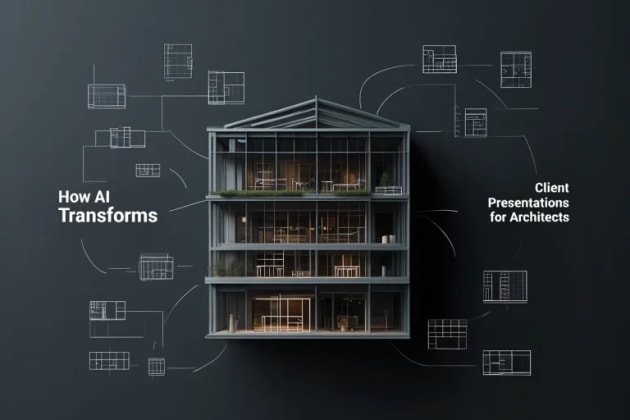
Schematic Design Visualization | AI-Powered Client Presentations for Architects – Improve Understanding by 78% & Reduce Revisions by 65% | Professional Architecture Workflow
Revolutionize architectural client presentations with AI-powered schematic design visualization. Learn how leading architects improve client understanding by 78% and reduce revision cycles by 65% using advanced visualization techniques.
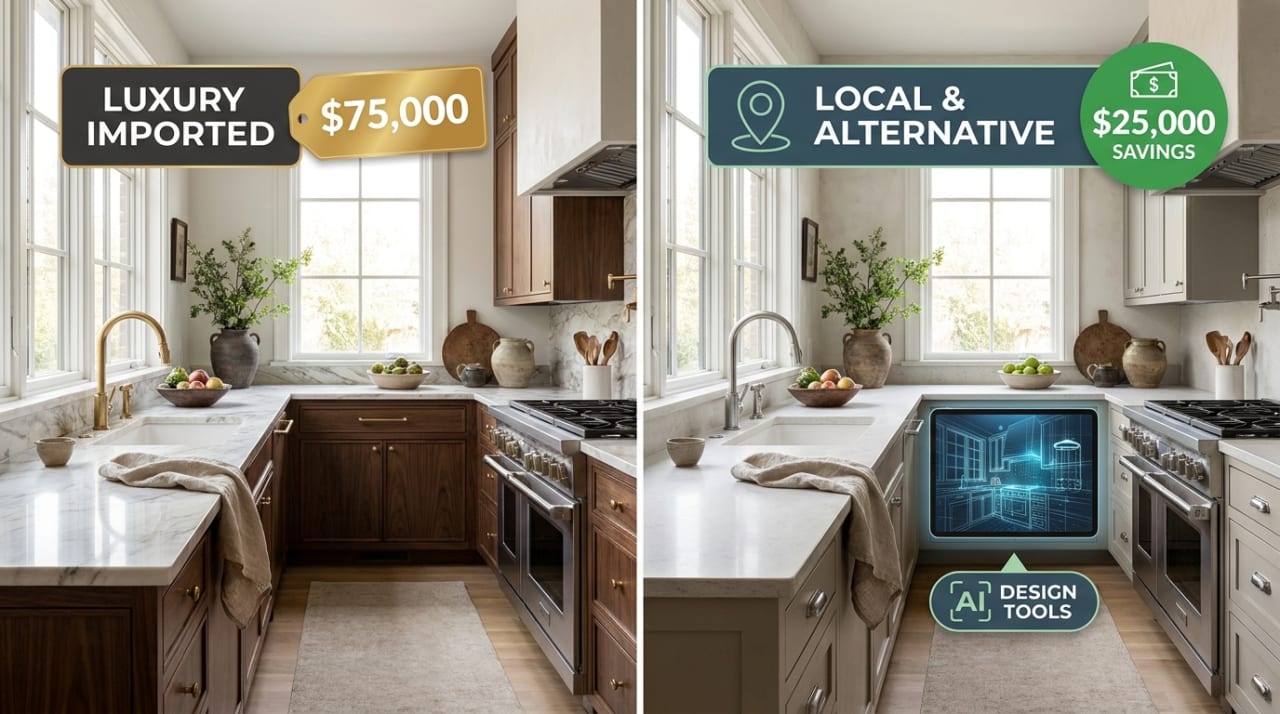
Tariffs & Your 2026 Renovation Budget: Optimize with AI Design
Planning a home renovation in 2026? Rising tariffs could add thousands to your costs. Discover how RoomEnhance's AI design tools help you visualize budget-efficient choices and navigate these financial challenges.
Ready to Transform Your Space?
See how your room would look with a completely new design. Our AI can help you visualize different styles in minutes.