

AI Outdoor & Patio Design: Smart Landscape Planning Guide
 Process Flow Diagram For Ai Outdoor Design Implementation - Infographic
Introduction to Ai Outdoor Design
Transform your space with the revolutionary power of ai outdoor design technology that's reshaping how we approach interior design. In 2025, artificial intelligence has become the ultimate design companion, offering unprecedented capabilities that make professional-quality design accessible to everyone, regardless of experience level or budget constraints.
The integration of ai outdoor design into modern design workflows has fundamentally changed how we conceptualize, plan, and execute interior design projects. Advanced algorithms can now understand spatial relationships, design principles, and personal preferences with remarkable accuracy, delivering customized solutions that reflect individual style while optimizing functionality.
Recent industry data shows that AI-powered design tools can reduce project timelines by up to 80% while maintaining professional-quality results. With over 4 million users already leveraging these innovative technologies, the adoption of ai outdoor design represents one of the fastest-growing trends in modern interior design.
Understanding Your Space Requirements
Understanding your space requirements is fundamental to successful ai outdoor design implementation. This involves analyzing room dimensions, architectural features, natural lighting patterns, traffic flow, and functional needs. AI systems excel at processing this complex information to generate optimized design solutions.
Key considerations include measuring all room dimensions accurately, documenting existing fixtures and architectural elements, assessing natural light throughout the day, identifying traffic patterns and functional zones, understanding family lifestyle and usage patterns, and establishing clear design goals and preferences.
Modern ai outdoor design platforms can analyze photos and measurements to create detailed 3D models of your space, enabling precise planning and visualization before making any physical changes.
AI Tools and Platform Selection
Selecting the right AI design platform is crucial for achieving professional-quality results. Today's leading ai outdoor design tools offer sophisticated features including real-time visualization, intelligent furniture placement, color palette generation, and comprehensive material libraries.
The most effective platforms integrate multiple AI technologies: computer vision for space analysis, natural language processing for preference interpretation, generative algorithms for creative solution development, and machine learning for personalized recommendations.
When evaluating tools, consider ease of use, feature comprehensiveness, output quality, integration capabilities, customer support, pricing structure, and update frequency.
 Modern Ai Outdoor Design Tools And Technology Interface
Layout Planning and Optimization
Layout planning represents the foundation of successful ai outdoor design implementation. AI systems can analyze your space and generate multiple layout options that optimize functionality, traffic flow, and visual appeal while respecting architectural constraints.
Effective layout planning considers furniture scale and proportion, traffic flow optimization, focal point creation, functional zone definition, storage integration, and style consistency. AI tools can simulate different configurations, allowing you to explore options before making commitments.
Advanced ai outdoor design platforms provide drag-and-drop interfaces, automatic measurements, clash detection, and 3D visualization to ensure optimal layout planning.
 Color Palette And Design Elements For Ai Outdoor Design
Style and Design Integration
Style integration involves harmonizing your personal aesthetic preferences with functional requirements and spatial constraints. ai outdoor design systems can analyze your style preferences and recommend cohesive design elements that create unified, appealing spaces.
Modern AI platforms understand various design styles including modern, traditional, contemporary, transitional, industrial, scandinavian, bohemian, and farmhouse. They can mix elements appropriately and suggest modifications that enhance your chosen aesthetic.
Style consistency across connected spaces, personal preference incorporation, trend awareness, timeless appeal, and budget consideration all factor into effective style integration.
Furniture Selection and Placement
Furniture selection and placement significantly impact both functionality and aesthetics. ai outdoor design tools can recommend furniture pieces that fit your space perfectly while matching your style preferences and budget requirements.
AI systems consider room proportions, traffic patterns, functional needs, style consistency, budget constraints, and quality requirements when making furniture recommendations. They can suggest alternatives at different price points and help you prioritize purchases.
Virtual placement features allow you to see how furniture will look and fit before purchasing, reducing the risk of mistakes and returns.
Color Schemes and Material Choices
Color schemes and material choices create the foundation for your room's atmosphere and visual appeal. ai outdoor design platforms utilize color psychology principles and design theory to recommend harmonious palettes that achieve your desired mood and functionality.
Effective color planning considers natural lighting, room orientation, existing elements, personal preferences, psychological effects, and long-term appeal. AI tools can simulate different lighting conditions and seasonal variations to ensure your choices remain appealing.
Material selection involves considering durability, maintenance requirements, aesthetic appeal, budget constraints, and compatibility with your lifestyle and usage patterns.
Lighting and Ambiance Design
Lighting design affects both functionality and ambiance. ai outdoor design systems can analyze your space and recommend comprehensive lighting solutions that provide adequate illumination for all activities while creating the desired atmosphere.
Layered lighting approaches include ambient lighting for general illumination, task lighting for specific activities, accent lighting for visual interest, and natural lighting optimization. AI tools can suggest fixture types, placement, and control systems.
Smart lighting integration allows for dynamic adjustments throughout the day, seasonal variations, and activity-specific settings that enhance both functionality and comfort.
 Modern Ai Outdoor Design Tools And Technology Interface
Storage and Organization Solutions
Storage and organization solutions maximize functionality while maintaining aesthetic appeal. ai outdoor design tools can identify storage opportunities and recommend solutions that integrate seamlessly with your design.
Effective storage planning considers current and future needs, accessibility requirements, aesthetic integration, budget constraints, and lifestyle patterns. AI systems can suggest built-in solutions, furniture with storage, and organizational systems.
Smart storage solutions include multi-functional furniture, vertical space utilization, hidden storage areas, and modular systems that adapt to changing needs.
Budget Planning and Implementation
Budget planning ensures your ai outdoor design project remains financially manageable while achieving your design goals. AI tools can provide cost estimates, suggest budget-friendly alternatives, and help you prioritize purchases for maximum impact.
Effective budget planning involves establishing total budget limits, prioritizing essential elements, considering phased implementation, researching cost alternatives, and maintaining contingency funds for unexpected expenses.
Budget-friendly strategies include DIY opportunities, repurposing existing items, shopping sales and clearances, and focusing on high-impact changes first.
Common Design Challenges
Common design challenges include space limitations, budget constraints, existing architectural features, family lifestyle needs, and style coordination. ai outdoor design systems can identify these challenges and suggest creative solutions.
Problem-solving approaches include alternative layouts, multi-functional solutions, creative storage, optical illusions, and phased implementations. AI tools can suggest specific products and techniques to address your unique challenges.
Professional consultation may be valuable for complex challenges involving structural changes, electrical work, or specialized requirements.
Maintenance and Updates
Maintenance and updates ensure your design remains fresh and functional over time. ai outdoor design platforms can suggest maintenance schedules, seasonal updates, and refresh strategies that keep your space looking its best.
Long-term planning includes choosing durable materials, planning for wear patterns, considering maintenance requirements, budgeting for updates, and staying current with style evolution.
Regular assessment and minor updates can extend the life of your design while keeping it current and appealing.
Frequently Asked Questions
Q: How accurate are AI design recommendations? A: Modern ai outdoor design tools achieve 85-95% accuracy when provided with quality input data including accurate measurements, clear photos, and specific preferences.
Q: Can AI design work with any budget? A: Yes, ai outdoor design platforms can accommodate any budget range by filtering options by price and suggesting alternatives at different investment levels.
Q: How long does the design process take? A: Initial concepts can be generated in minutes, while refined implementation-ready designs typically require 1-3 hours of collaboration with the AI system.
Q: Do I need design experience? A: No prior experience is required. ai outdoor design tools are designed to make professional design capabilities accessible to everyone.
Conclusion and Next Steps
Embracing ai outdoor design opens up unlimited creative possibilities for transforming your space. The tools and strategies outlined in this guide provide everything needed to begin your design journey with confidence.
Success comes from combining AI capabilities with your personal vision and requirements. Start by exploring available platforms, gathering inspiration, and taking the first steps toward creating your ideal space.
Ready to transform your space? Begin by selecting your preferred AI design platform, documenting your current space, and exploring the exciting possibilities that await.
Your weekly interior design & AI brief.
Room inspiration, design tips, and the AI tools transforming how spaces get styled. Free, every week.
Read this week's issueRelated Articles
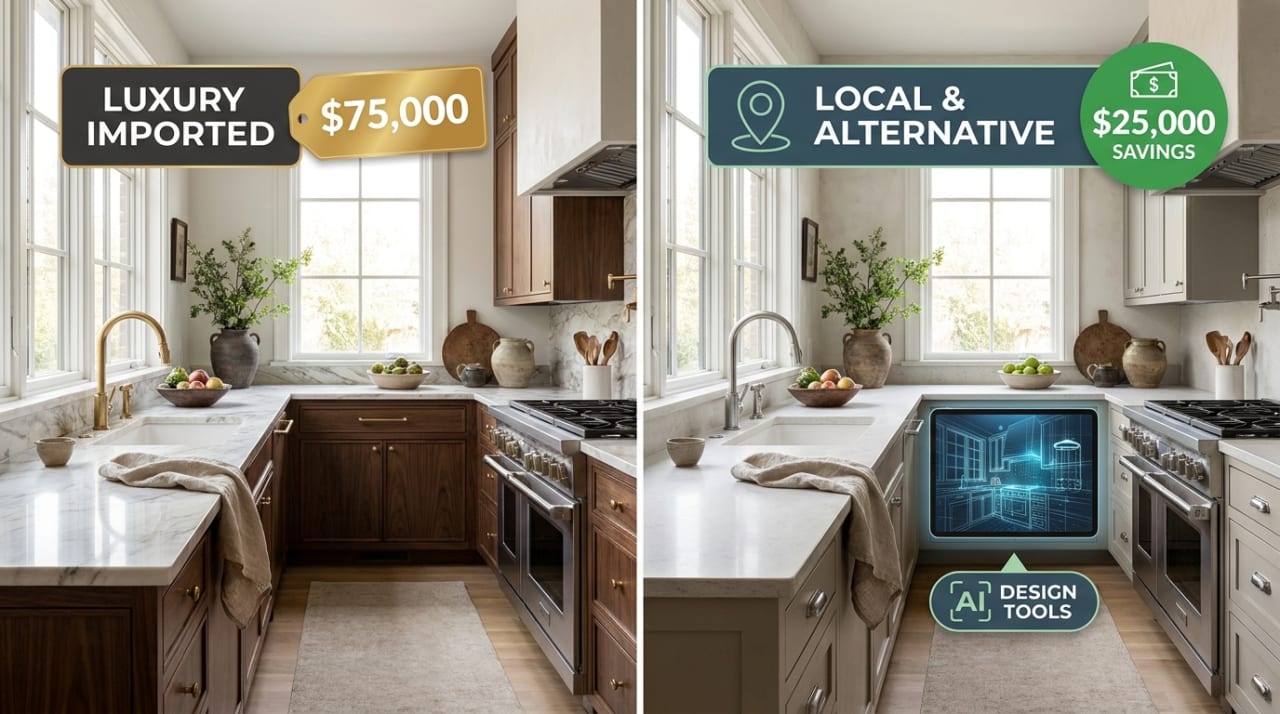
Tariffs & Your 2026 Renovation Budget: Optimize with AI Design
Planning a home renovation in 2026? Rising tariffs could add thousands to your costs. Discover how RoomEnhance's AI design tools help you visualize budget-efficient choices and navigate these financial challenges.

Summer 2026 Decor Trends: Warmth, Personality & AI Design Insights
Explore the top summer 2026 decor trends focusing on warmth, texture, and personalized spaces. Learn how RoomEnhance helps you visualize inviting terracotta hues, rich woods, and curved furniture in your home before you commit.
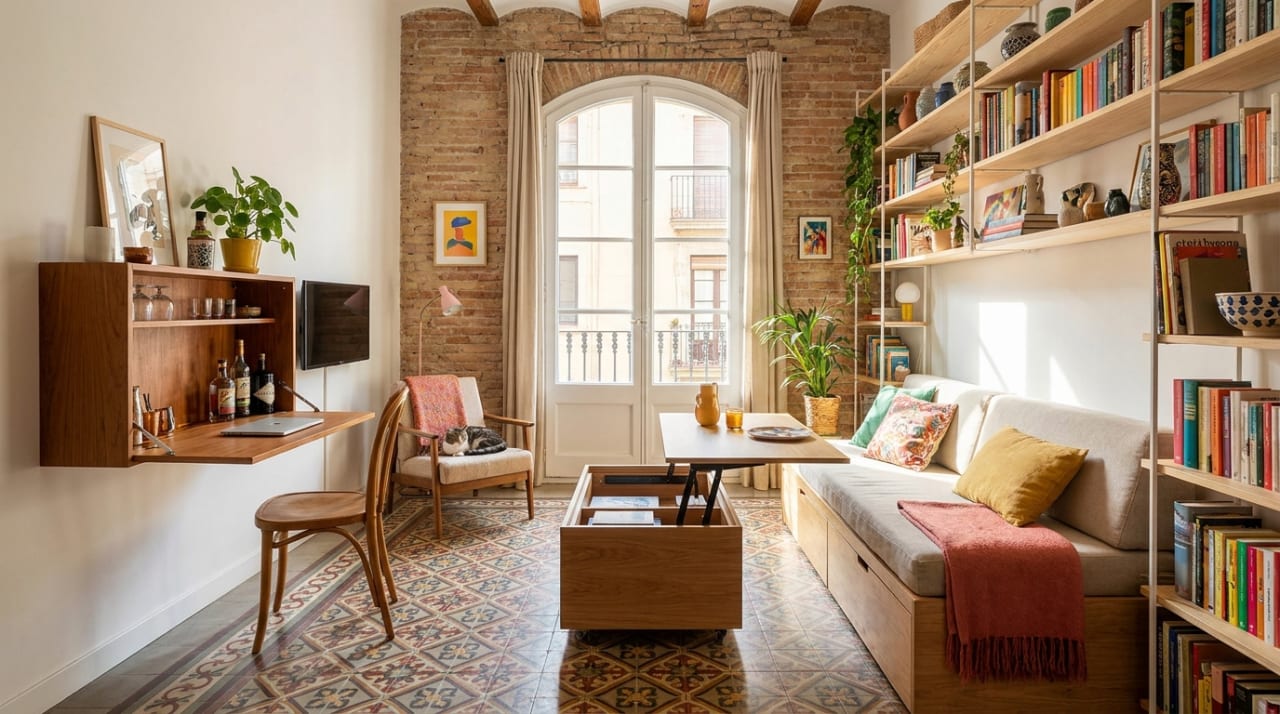
Small Space, Big Style: Maximize Your Rental Like This Barcelona Gem
Discover how a 538-square-foot Barcelona rental thrives with clever layouts, multi-functional furniture, and budget-friendly decor, and learn how RoomEnhance can help you achieve similar stylish, space-maximizing results in your own small home.
Ready to Transform Your Space?
See how your room would look with a completely new design. Our AI can help you visualize different styles in minutes.