
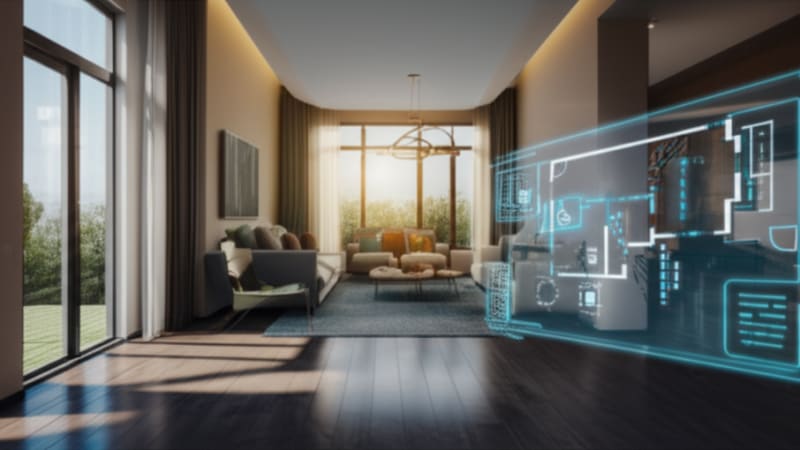
AI Interior Design Asia and Modern Asian Aesthetics
Introduction to AI Interior Design Asia
The integration of artificial intelligence with traditional Asian design philosophies represents a fascinating convergence of ancient wisdom and cutting-edge technology. ai interior design asia platforms must navigate complex cultural landscapes where centuries-old design principles like feng shui, wabi-sabi, and vastu shastra continue to influence contemporary living spaces.
Asian design aesthetics emphasize harmony between humans and nature, spiritual balance, and the philosophical concept that physical spaces directly impact mental and spiritual well-being. Modern AI systems trained on these principles can analyze spatial relationships, natural light patterns, and material selections to create environments that honor traditional wisdom while embracing technological innovation.
The rapid urbanization across Asia has created unique challenges where traditional design principles must adapt to compact living spaces, vertical architecture, and modern lifestyle demands. ai interior design asia systems excel at optimizing limited space while maintaining essential cultural elements that provide psychological comfort and cultural continuity.
Regional variations across Asia are profound, from the minimalist zen aesthetics of Japan to the vibrant color palettes of Southeast Asia, the geometric patterns of Islamic design traditions, and the intricate woodwork of traditional Chinese architecture. AI platforms must understand these nuances to provide culturally authentic recommendations that resonate with local preferences and values.
Regional Design Characteristics
Cultural Design Elements
Traditional design elements continue to influence contemporary spaces, even in the age of AI-powered design. ai interior design asia systems that understand cultural context can incorporate these elements seamlessly into modern designs while respecting the deep philosophical foundations that underpin Asian aesthetic traditions.
Japanese design philosophy centers on the concepts of ma (negative space), wabi-sabi (beauty in imperfection), and the integration of natural materials like wood, bamboo, and stone. AI systems trained on these principles can optimize space planning to create moments of visual rest, recommend material combinations that age gracefully, and design lighting that enhances the natural beauty of materials rather than overwhelming them.
Chinese design traditions emphasize feng shui principles where spatial arrangement affects energy flow and life outcomes. Modern AI platforms can analyze room layouts, furniture placement, and color schemes according to feng shui principles while optimizing for contemporary functionality. This includes analyzing the bagua map overlays, five-element theory applications, and yin-yang balance in spatial design.
Korean design aesthetics blend Confucian ideals of harmony and order with Buddhist concepts of simplicity and mindfulness. AI systems can integrate ondol (underfloor heating) considerations, hanok architectural principles, and the Korean appreciation for natural materials and earth tones into contemporary design recommendations.
Southeast Asian design traditions celebrate vibrant colors, natural ventilation, elevated structures, and indoor-outdoor living integration. AI platforms must account for tropical climate requirements, monsoon season preparations, and the cultural importance of communal spaces and outdoor living areas.
Key cultural considerations include color symbolism where red represents prosperity in Chinese culture but may have different meanings in other Asian contexts, spatial arrangements that honor traditional family hierarchies and social customs, material preferences for natural elements that connect inhabitants to nature, decorative motifs that carry cultural and spiritual significance, and functional requirements that accommodate extended families, religious practices, and traditional activities like tea ceremonies or meditation practices.
Climate and Environmental Factors
Climate plays a crucial role in design decisions, from natural lighting optimization to temperature control and seasonal adaptation. ai interior design asia tools excel at analyzing environmental data to suggest climate-appropriate solutions.
Environmental considerations include natural light patterns, seasonal weather variations, humidity levels, energy efficiency requirements, and sustainable material preferences.
Technology Adoption Patterns
Regional Technology Integration
Different regions show varying levels of comfort and adoption rates for AI-powered design tools. ai interior design asia platforms must adapt their interfaces and feature sets to match local technology preferences and infrastructure capabilities.
Technology adoption factors include internet connectivity, smartphone penetration, digital payment systems, smart home device availability, and general AI acceptance levels.
Market-Specific Features
Successful ai interior design asia platforms develop region-specific features that address local market needs, regulatory requirements, and consumer preferences.
Market adaptations include local supplier integrations, regional product catalogs, cultural design templates, language localization, and currency-specific pricing.
Local Design Trends
Contemporary Style Evolution
Modern design trends evolve differently across regions, influenced by local architects, designers, lifestyle changes, and economic conditions. ai interior design asia systems track these trends to provide current and relevant suggestions.
Regional trend factors include urban development patterns, housing types, generational preferences, income levels, and lifestyle priorities.
Traditional-Modern Fusion
The most successful ai interior design asia implementations create harmonious blends of traditional elements with modern functionality, respecting cultural heritage while embracing innovation.
Fusion approaches include material combinations, color palette adaptations, furniture style mixing, decorative element integration, and spatial planning modifications.
Implementation Strategies
Cultural Sensitivity
Effective ai interior design asia implementation requires deep understanding of cultural sensitivities, social norms, and lifestyle patterns that influence design preferences.
Sensitive implementation includes respectful cultural representation, appropriate color usage, religious considerations, family structure accommodation, and social gathering space planning.
Local Partnerships
Successful ai interior design asia platforms establish partnerships with local suppliers, craftspeople, and service providers to ensure authentic and accessible design solutions.
Partnership benefits include authentic material sourcing, local expertise integration, competitive pricing, reliable service delivery, and cultural authenticity validation.
Market Opportunities
Emerging Market Potential
Developing markets present significant opportunities for ai interior design asia expansion, with growing middle classes, increasing urbanization, and rising design consciousness.
Market opportunities include new construction projects, renovation markets, commercial development, hospitality industry growth, and retail space expansion.
Premium Market Development
Established markets offer opportunities for premium ai interior design asia services that cater to sophisticated design needs and higher-end project requirements.
Premium opportunities include luxury residential projects, high-end commercial spaces, hospitality developments, and custom design services.
Best Practices for Regional Implementation
Localization Strategies
Comprehensive localization goes beyond language translation to include cultural adaptation, regional design libraries, local trend integration, and market-specific features.
Quality Assurance
Regional ai interior design asia implementation requires robust quality assurance processes that validate cultural appropriateness, local building codes compliance, and regional aesthetic standards.
Continuous Learning
Successful platforms implement feedback loops that continuously improve regional understanding and design accuracy based on user preferences and market evolution.
Future Outlook
Technology Evolution
The future of ai interior design asia will see increasing sophistication in cultural understanding, environmental adaptation, and regional customization capabilities.
Market Expansion
Growing global awareness and adoption of AI design tools will drive expansion into new markets with unique requirements and opportunities.
Conclusion
ai interior design asia represents a powerful convergence of global technology capabilities with local design wisdom. Success in regional markets requires deep cultural understanding, technological adaptation, and continuous learning from local communities and preferences.
The future belongs to ai interior design asia platforms that can seamlessly blend universal design principles with regional authenticity, creating solutions that are both globally sophisticated and locally relevant.
Your weekly interior design & AI brief.
Room inspiration, design tips, and the AI tools transforming how spaces get styled. Free, every week.
Read this week's issueRelated Articles
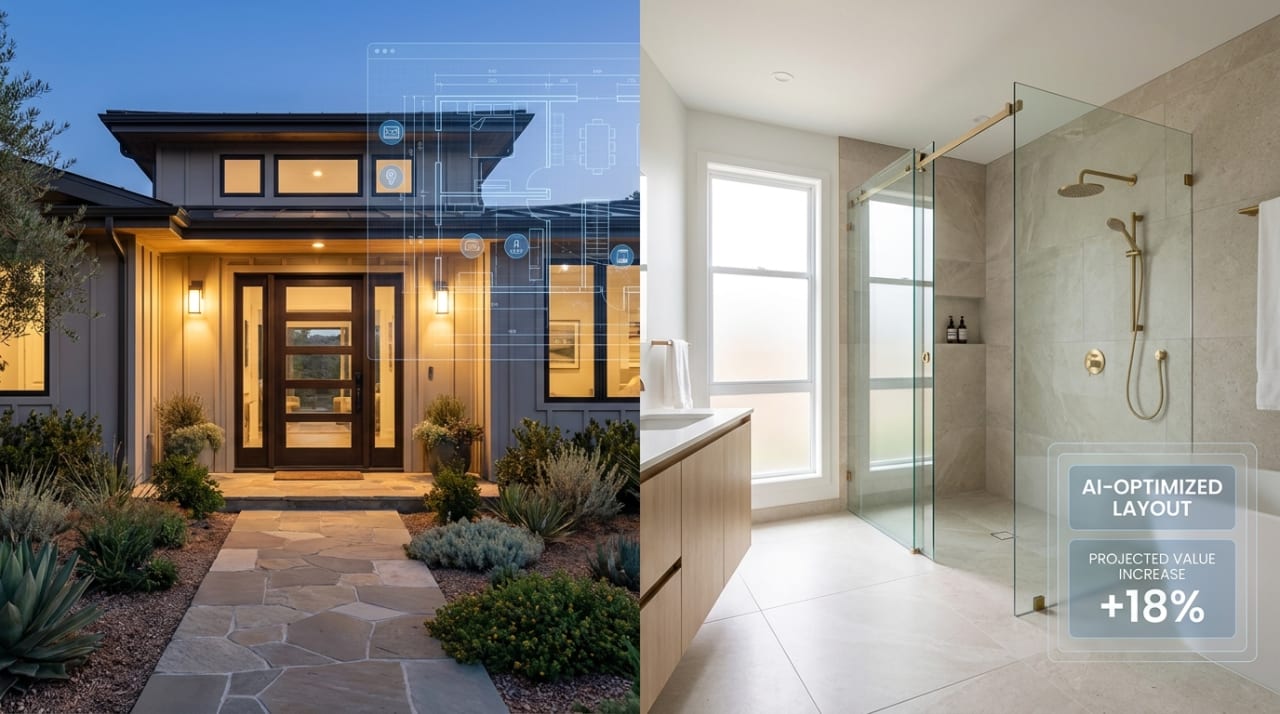
Renovate, Don't Relocate: High-ROI Home Upgrades in Any Economy
Despite economic shifts, homeowners are prioritizing renovations to boost property value and livability. Discover how strategic upgrades, visualized with AI tools like RoomEnhance, offer significant returns, from curb appeal to modern bathroom remodels.
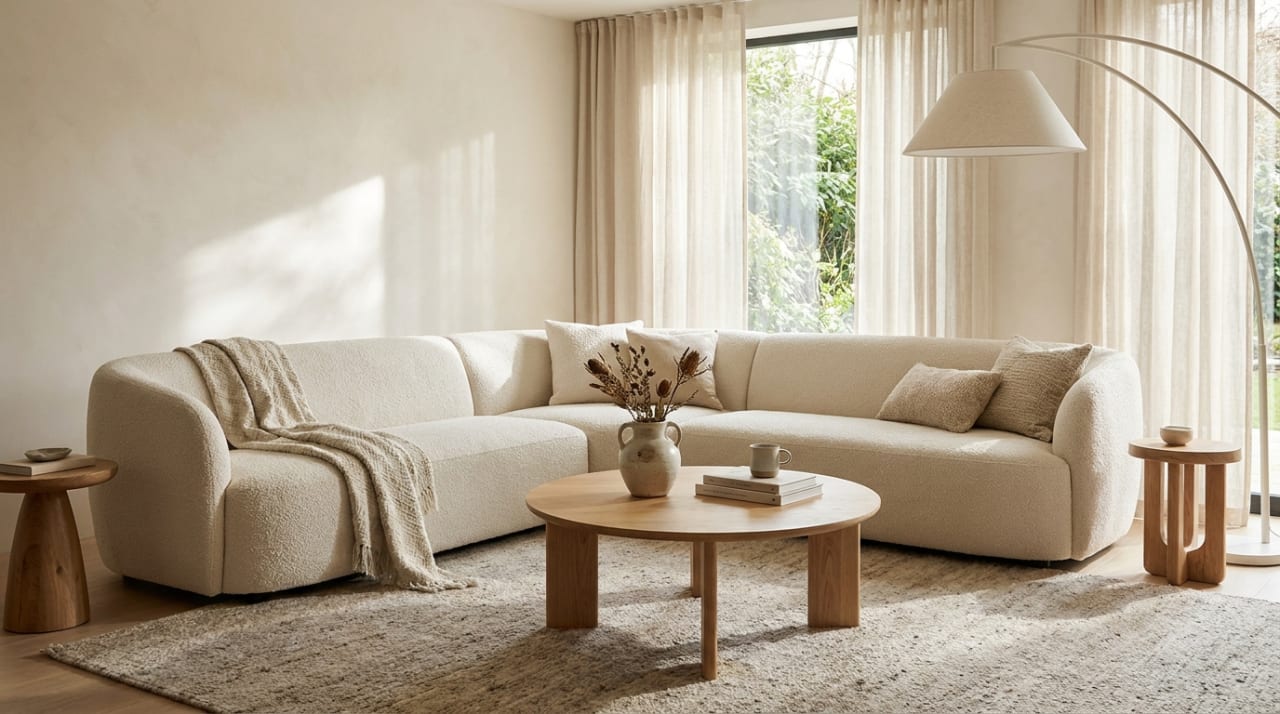
2026 Design Trends: Warm Minimalism, Textures & Curves for a Sensory Home
Discover how 2026's design trends are moving towards warm minimalism, rich textures, and gentle curves to create deeply comfortable and emotionally resonant interiors. Learn to transform your space into a sensory sanctuary.
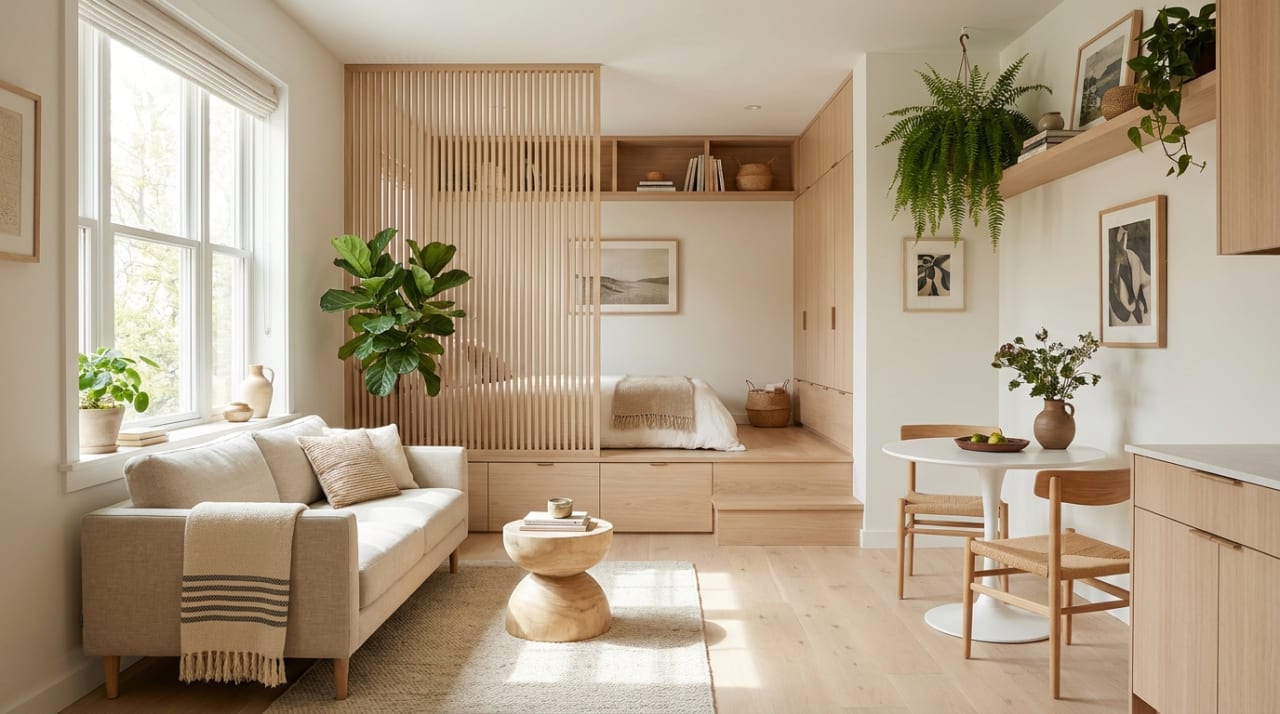
Studio Apartment Glow-Up: From Bland to Beautiful in 389 Sq Ft
Transform a compact studio apartment from cluttered to chic with expert design strategies, inspired by a stunning 389-square-foot makeover. Learn how to maximize every inch, create distinct zones, and infuse style into your small living space using smart layouts, multi-functional furniture, and AI design tools.
Ready to Transform Your Space?
See how your room would look with a completely new design. Our AI can help you visualize different styles in minutes.