

AI-Driven Furniture Arrangement: Feng Shui Harmony Principles & Optimal Space Design
The ancient Chinese practice of feng shui offers profound wisdom about creating harmonious living environments through intentional arrangement of furniture and objects to optimize energy flow. Traditional feng shui consultation required deep understanding of complex principles and years of study to apply effectively. AI-driven furniture arrangement systems now integrate these time-tested principles with modern technology, analyzing spatial relationships, energy flow patterns, and human behavior to create optimally arranged spaces that support wellbeing, productivity, and life satisfaction.
Advanced AI systems can process multiple feng shui variables simultaneously while considering practical requirements including traffic flow, natural light, and functional needs. This integration of ancient wisdom with modern technology creates living spaces that feel intuitively comfortable and supportive while maintaining aesthetic appeal and practical functionality.
Understanding Feng Shui Principles in AI
Energy Flow Analysis
Chi Circulation Assessment: AI systems analyze how energy (chi) flows through spaces by evaluating pathways, obstacles, and openings while identifying arrangements that promote smooth, beneficial energy circulation throughout rooms.
Yin-Yang Balance Optimization: Advanced algorithms assess the balance between active (yang) and passive (yin) energies within spaces while suggesting furniture arrangements that create appropriate energy harmony for room functions.
Five Element Integration: Machine learning incorporates the five feng shui elements (wood, fire, earth, metal, water) through furniture materials, colors, and shapes while ensuring balanced representation supports overall harmony.
Directional Energy Alignment: AI considers compass directions and their associated energy qualities while optimizing furniture placement according to beneficial directional influences and personal energy maps.
Spatial Relationship Intelligence
Command Position Analysis: Systems identify optimal command positions for key furniture pieces including beds, desks, and seating areas while ensuring occupants can see entrances without being directly in line with doorways.
Obstacle Identification: Advanced AI identifies energy obstacles including sharp corners, blocked pathways, and clutter accumulation while suggesting rearrangements that eliminate negative energy impacts.
Mirror Placement Optimization: Machine learning analyzes mirror positions according to feng shui principles while ensuring reflective surfaces enhance positive energy and avoid creating negative reflections.
Natural Light Integration: AI considers how natural light interacts with furniture placement while optimizing arrangements that support circadian rhythms and enhance positive energy flow.
Modern AI Integration with Ancient Wisdom
Algorithmic Feng Shui Assessment
Traditional Principle Translation: AI systems translate complex feng shui principles into algorithmic logic while maintaining authenticity and ensuring accurate application of traditional wisdom in contemporary settings.
Cultural Adaptation Intelligence: Advanced systems adapt feng shui principles for different cultural contexts while respecting traditional practices and making ancient wisdom accessible to diverse populations.
Scientific Validation Integration: Machine learning incorporates scientific research supporting feng shui benefits while combining traditional wisdom with evidence-based design principles for optimal results.
Personal Energy Mapping: AI can create personalized feng shui assessments based on individual birth dates and energy patterns while customizing furniture arrangements to support specific personal needs and goals.
Practical Application Systems
Real-Time Arrangement Analysis: Systems provide immediate feedback on furniture arrangements while analyzing feng shui compliance and suggesting improvements that enhance energy flow and spatial harmony.
Multi-Room Coordination: Advanced AI ensures feng shui principles are applied consistently throughout entire homes while maintaining energy flow continuity between connected spaces.
Seasonal Adjustment Recommendations: Machine learning suggests seasonal furniture adjustments that align with natural energy cycles while optimizing spaces for changing environmental conditions and personal energy needs.
Goal-Specific Optimization: AI customizes arrangements to support specific life goals including career advancement, relationship harmony, health improvement, and spiritual development through targeted feng shui applications.
Technology-Enhanced Traditional Practices
Digital Compass Integration: AI systems incorporate precise compass readings and GPS coordinates while ensuring accurate directional analysis for optimal furniture placement according to feng shui principles.
3D Spatial Modeling: Advanced platforms create three-dimensional models that visualize energy flow patterns while helping users understand how furniture arrangements affect chi circulation and spatial harmony.
Augmented Reality Visualization: AR technology allows real-time visualization of feng shui energy flows while enabling users to experience proposed arrangements before implementation.
IoT Sensor Integration: Smart home sensors can monitor environmental conditions and occupant behavior while providing data that supports continuous feng shui optimization and adjustment.
Room-Specific Feng Shui Applications
Bedroom Energy Optimization
Sleep Quality Enhancement: AI analyzes bedroom layouts to optimize sleep quality through proper bed placement that supports restful energy while avoiding negative influences including mirrors facing beds and electrical equipment proximity.
Romantic Relationship Support: Systems apply feng shui principles that support romantic relationships while ensuring bedroom arrangements promote harmony, intimacy, and emotional connection between partners.
Personal Sanctuary Creation: Advanced algorithms create bedroom environments that serve as personal retreats while incorporating feng shui elements that support emotional healing and spiritual renewal.
Children's Room Specialization: AI adapts feng shui principles for children's bedrooms while supporting healthy development, creativity, and learning through age-appropriate energy optimization and safety considerations.
Living Area Harmony
Social Energy Enhancement: Systems optimize living room arrangements to support social interaction and family harmony while creating welcoming environments that encourage positive communication and relationship building.
Entertainment Balance: AI balances entertainment technology placement with feng shui principles while ensuring media equipment doesn't dominate spaces or create negative energy impacts on family interactions.
Conversation Circle Creation: Advanced systems arrange seating to create natural conversation circles while promoting eye contact and inclusive interaction according to feng shui social harmony principles.
Natural Element Integration: Machine learning incorporates natural elements including plants, water features, and natural materials while supporting feng shui balance and connection to nature.
Kitchen Prosperity Focus
Wealth Corner Activation: AI identifies and optimizes kitchen wealth corners while suggesting arrangements that support abundance and prosperity according to traditional feng shui prosperity principles.
Fire Element Management: Systems carefully manage fire element energy from stoves and cooking areas while ensuring proper placement that supports nourishment without creating overwhelming yang energy.
Triangle Balance: Advanced algorithms optimize the kitchen work triangle while incorporating feng shui principles that support efficient energy flow and harmonious cooking experiences.
Storage and Organization: AI suggests storage arrangements that maintain feng shui cleanliness principles while ensuring kitchen organization supports positive energy flow and cooking inspiration.
Home Office Productivity
Career Success Optimization: Systems arrange home offices to support career advancement while applying feng shui principles that enhance focus, decision-making, and professional opportunities.
Desk Placement Strategy: AI determines optimal desk positions that provide command views while supporting productivity and reducing stress through proper feng shui alignment and energy flow.
Technology Integration Balance: Advanced systems balance necessary technology with feng shui principles while minimizing electromagnetic interference and maintaining harmonious work environments.
Achievement Display: Machine learning suggests optimal placement for diplomas, awards, and success symbols while activating feng shui areas that support continued professional achievement.
Health and Wellbeing Integration
Stress Reduction Through Design
Calming Energy Creation: AI arranges furniture to create calming environments while applying feng shui principles that reduce stress and promote relaxation through optimal energy flow and spatial harmony.
Natural Light Optimization: Systems maximize beneficial natural light while avoiding harsh glare and shadows that create negative energy impacts on mood and wellbeing.
Air Quality Enhancement: Advanced algorithms suggest plant placement and air circulation improvements while supporting both feng shui principles and scientific air quality recommendations.
Color Therapy Integration: Machine learning incorporates feng shui color principles with color psychology research while optimizing environmental colors that support emotional and physical wellbeing.
Physical Health Support
Exercise Area Optimization: AI creates dedicated exercise spaces that support physical activity while applying feng shui principles that motivate movement and enhance workout effectiveness.
Sleep Environment Enhancement: Systems optimize bedroom environments for restorative sleep while eliminating feng shui sleep disruptors and creating conditions that support natural sleep cycles.
Meditation Space Creation: Advanced algorithms identify and optimize areas for meditation and reflection while applying feng shui principles that support spiritual practices and mental clarity.
Ergonomic Harmony Balance: Machine learning balances ergonomic requirements with feng shui principles while ensuring furniture arrangements support both physical health and energy harmony.
Mental and Emotional Wellness
Anxiety Reduction Strategies: AI applies feng shui principles known to reduce anxiety while creating environments that feel secure, balanced, and emotionally supportive.
Depression Prevention: Systems address environmental factors that may contribute to depression while optimizing light, color, and arrangement choices that support emotional wellbeing.
Creativity Enhancement: Advanced algorithms arrange spaces to stimulate creativity while applying feng shui principles that support artistic expression and innovative thinking.
Relationship Harmony: Machine learning optimizes shared spaces to support healthy relationships while reducing conflict and promoting understanding through balanced energy arrangements.
Cultural Integration and Adaptation
Cross-Cultural Feng Shui
Western Adaptation Intelligence: AI systems adapt traditional Chinese feng shui principles for Western living patterns while maintaining authenticity and ensuring cultural sensitivity and appropriate application.
Regional Climate Considerations: Advanced algorithms adjust feng shui recommendations based on local climate conditions while ensuring arrangements work effectively in different geographical and environmental contexts.
Modern Lifestyle Integration: Systems adapt ancient principles for contemporary lifestyles while accommodating modern furniture, technology, and living patterns without compromising feng shui effectiveness.
Multi-Cultural Household Harmony: Machine learning creates arrangements that respect different cultural backgrounds while finding common ground in universal principles of harmony and wellbeing.
Traditional Wisdom Preservation
Historical Accuracy Maintenance: AI systems maintain historical accuracy of feng shui principles while avoiding commercialized interpretations that may dilute traditional wisdom and effectiveness.
Educational Integration: Advanced platforms provide educational content about feng shui history and principles while helping users understand the reasoning behind arrangement recommendations.
Master Consultation Integration: Systems can incorporate input from traditional feng shui masters while combining ancient wisdom with modern analytical capabilities for optimal results.
Cultural Respect Protocols: Machine learning ensures respectful application of feng shui principles while avoiding cultural appropriation and maintaining appropriate reverence for traditional practices.
Technology Enhancement Features
Real-Time Energy Mapping
Chi Flow Visualization: AI creates visual representations of energy flow patterns while helping users understand how furniture arrangements affect chi circulation and spatial energy dynamics.
Energy Blockage Identification: Advanced systems identify areas where energy becomes stagnant or blocked while suggesting specific arrangement changes that restore optimal flow and harmony.
Personal Energy Integration: Machine learning considers individual energy patterns while customizing arrangements that support personal goals and enhance individual energy alignment with spaces.
Temporal Energy Changes: AI tracks how energy patterns change throughout days, seasons, and years while suggesting adjustments that maintain optimal feng shui alignment over time.
Interactive Design Tools
Virtual Arrangement Testing: Users can test different furniture arrangements virtually while receiving immediate feng shui analysis and recommendations for optimization and improvement.
Before and After Comparisons: Systems provide comparative analysis showing energy flow improvements while demonstrating the benefits of feng shui-optimized arrangements.
Collaborative Planning Tools: Advanced platforms allow family members to collaborate on feng shui arrangements while ensuring all occupants' needs are considered in optimization decisions.
Professional Consultation Integration: AI systems can connect users with feng shui professionals while providing data and analysis that enhances traditional consultation processes.
Measurement and Validation
Objective Assessment Metrics: Systems provide objective measurements of feng shui compliance while quantifying improvements in energy flow and spatial harmony through data analysis.
Wellbeing Impact Tracking: Advanced algorithms can correlate arrangement changes with occupant wellbeing metrics while validating feng shui effectiveness through measurable outcomes.
Environmental Monitoring: AI systems monitor environmental factors that affect feng shui including air quality, natural light, and electromagnetic fields while ensuring optimal conditions.
Continuous Optimization: Machine learning continuously refines recommendations while learning from user feedback and outcomes to improve feng shui analysis and arrangement suggestions.
Professional Application and Practice
Interior Designer Integration
Professional Tool Enhancement: AI feng shui systems serve as powerful tools for interior designers while expanding service offerings and providing unique value propositions for clients.
Client Education Support: Advanced platforms help designers educate clients about feng shui principles while building confidence and understanding that supports design decisions.
Portfolio Differentiation: Feng shui expertise supported by AI analysis helps designers differentiate services while attracting clients interested in holistic wellness-focused design approaches.
Cultural Competency Development: Systems support designers in developing cultural competency while ensuring respectful and accurate application of feng shui principles in professional practice.
Business and Commercial Applications
Office Productivity Enhancement: AI applies feng shui principles in commercial environments while optimizing workplace arrangements that support employee productivity, creativity, and job satisfaction.
Retail Energy Optimization: Systems optimize retail space arrangements while applying feng shui principles that encourage customer flow, purchase decisions, and business prosperity.
Restaurant Ambiance Creation: Advanced algorithms arrange restaurant spaces while using feng shui principles that create welcoming atmospheres and support business success.
Healthcare Environment Healing: Machine learning applies feng shui healing principles in healthcare settings while creating environments that support patient recovery and staff wellbeing.
Educational and Training Applications
Feng Shui Education Enhancement: AI systems serve as educational tools while helping students learn feng shui principles through interactive analysis and practical application experience.
Professional Certification Support: Advanced platforms support professional feng shui certification programs while providing practical tools for applying traditional principles in modern contexts.
Cultural Exchange Facilitation: Systems facilitate cross-cultural understanding while introducing Western audiences to traditional Chinese wisdom and philosophy through practical application.
Research and Validation: AI platforms support research into feng shui effectiveness while collecting data that validates traditional principles and identifies optimal applications.
Future Developments and Innovation
Emerging Technology Integration
Biometric Feedback Integration: Future systems will incorporate biometric monitoring while measuring physiological responses to different arrangements and optimizing spaces for measurable wellness improvements.
Machine Learning Advancement: Advanced AI will better understand subtle feng shui principles while developing more sophisticated analysis capabilities that rival traditional master-level consultation.
Virtual Reality Integration: VR technology will allow immersive experience of feng shui energy flows while helping users understand and feel the effects of different arrangement options.
Smart Home Automation: Future systems will integrate with smart home technology while automatically adjusting environmental conditions to maintain optimal feng shui energy flow.
Market Evolution
Mainstream Adoption Trends: Feng shui AI systems are becoming increasingly mainstream while growing consumer interest in wellness-focused design drives adoption and acceptance.
Professional Integration Growth: More interior designers are incorporating feng shui principles while AI systems make this ancient wisdom accessible and practical for contemporary design practice.
Scientific Validation Expansion: Ongoing research continues validating feng shui principles while providing scientific backing that supports integration with evidence-based design approaches.
Global Cultural Exchange: Technology facilitates global sharing of feng shui wisdom while promoting cross-cultural understanding and appreciation of traditional design philosophies.
Conclusion
AI-driven furniture arrangement systems that integrate feng shui principles represent a revolutionary fusion of ancient wisdom and modern technology. These sophisticated platforms make time-tested spatial harmony principles accessible while providing practical tools for creating environments that support wellbeing, productivity, and life satisfaction.
The integration of feng shui principles with artificial intelligence demonstrates how traditional wisdom remains relevant in contemporary contexts while technology can enhance and preserve cultural knowledge for future generations. This combination creates living spaces that feel intuitively comfortable and supportive while maintaining aesthetic appeal and practical functionality.
As AI technology continues advancing, feng shui integration will become increasingly sophisticated, offering more nuanced analysis and personalized recommendations that honor traditional principles while meeting contemporary lifestyle needs. The future of interior design lies in holistic approaches that consider both physical comfort and energetic harmony.
Success with AI-driven feng shui furniture arrangement requires understanding that technology serves to amplify rather than replace traditional wisdom, providing tools that support ancient principles while making them accessible to modern practitioners and homeowners.
Ready to experience the harmony of AI-enhanced feng shui furniture arrangement in your own living spaces? Try Room Enhance AI now and discover how the integration of ancient wisdom with modern technology can transform your home into a sanctuary of balance, beauty, and wellbeing.
Frequently Asked Questions
Q: Is AI-driven feng shui as effective as traditional consultation? A: AI systems provide excellent foundational feng shui analysis and can be very effective for basic applications. For complex situations or deep personal work, combining AI insights with traditional master consultation often provides optimal results.
Q: Do feng shui principles conflict with modern interior design? A: Feng shui principles generally complement modern design by promoting balance, flow, and harmony. AI systems help integrate these principles seamlessly while maintaining contemporary aesthetic preferences and lifestyle requirements.
Q: How can I verify if feng shui arrangements are working? A: Many people report improvements in sleep quality, stress levels, and general wellbeing after implementing feng shui arrangements. AI systems can track environmental metrics and suggest monitoring approaches for validation.
Q: Are feng shui principles culturally appropriate for non-Chinese homes? A: When applied respectfully and with cultural awareness, feng shui principles offer universal wisdom about creating harmonious living spaces. AI systems help ensure appropriate application while providing educational context.
Q: Can feng shui furniture arrangement work in small spaces? A: Yes, feng shui principles are often especially beneficial in small spaces where optimal energy flow becomes crucial. AI systems excel at finding feng shui solutions that work within space constraints while maximizing harmony.
Your weekly interior design & AI brief.
Room inspiration, design tips, and the AI tools transforming how spaces get styled. Free, every week.
Read this week's issueRelated Articles
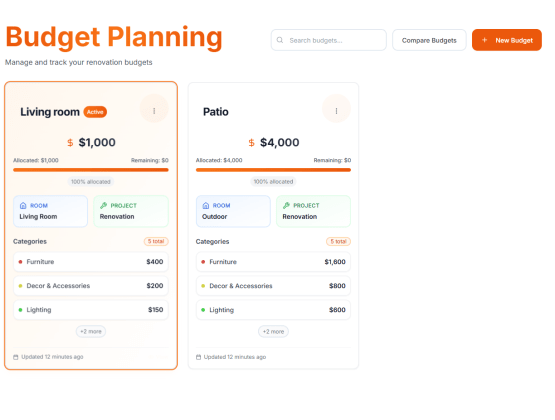
AI Budget Planning: Smart Financial Strategies for Home Renovation Success | Complete Guide to Intelligent Budget Optimization – Multi-Budget Management, Real-Time Cost Analysis & Professional Financial Planning Tools | Transform Your Renovation Finance with Predictive Analytics
Master intelligent budget planning with AI-powered financial optimization. Learn how smart budget allocation, predictive cost modeling, and strategic planning can maximize renovation impact while minimizing financial risk.

AI Color Matching Technology: Precision Tools Revolutionizing Interior Design Color Coordination | Perfect Color Harmony 2025
Discover how AI-powered color matching technology is transforming interior design through precise color coordination, perfect palette generation, and intelligent color harmony analysis.
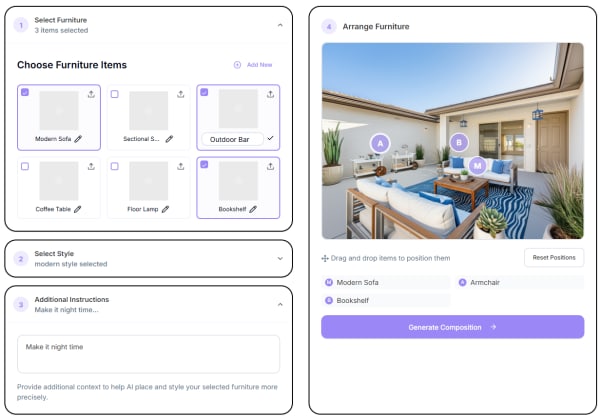
AI Compose Mode: Master Virtual Furniture Placement and Room Staging | Complete Professional Guide to Intelligent Furniture Arrangement – Advanced Layout Algorithms, Real Estate Virtual Staging & Design Optimization | Transform Empty Spaces with AI-Powered Composition
Discover how AI Compose Mode revolutionizes furniture placement and virtual staging. Learn professional techniques for creating perfectly balanced, functional, and beautiful room layouts.
Ready to Transform Your Space?
See how your room would look with a completely new design. Our AI can help you visualize different styles in minutes.