
Cinematic walkthrough
A smooth, moving tour through your redesigned room that feels like walking the space in person.
AI interior design studio
Upload one room photo and explore thoughtful redesigns, virtual staging, floor plans, and presentation-ready visuals without learning complicated design software.
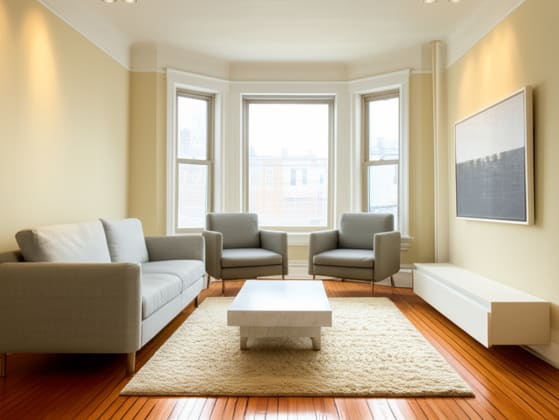

A fresh selection from our strongest curated transformations appears on every visit.
Choose a full redesign or optimize the layout with the furniture already in your room.
Choose a photo of your room to transform with our AI
Supports: JPEG, PNG, WebP
For best results, use a well-lit photo of your room from a natural angle. Make sure the image is clear and free of people or pets.
Real outputs from the Video and 3D studio. Press play, or step inside the live walkable scene.
Each real video output starts from a single redesigned still.
A smooth, moving tour through your redesigned room that feels like walking the space in person.
A dramatic transition from the original room to the finished design that lands the transformation in seconds.
A multi-room, social-ready reel with optional music, built to scroll-stop on listings and feeds.
An interactive, explorable 3D space your audience can move through on their own.
 One studio · a whole suite of tools
Complete design workflow
Move from a first idea to a staged room and realistic project context without changing products or rebuilding your work.
01
Generate a clear visual direction before committing to a room plan.
02
Show an empty or dated space with a considered new layout and finish.
03
Move from an image to practical budget context and project decisions.
Discover different room transformations from our curated examples
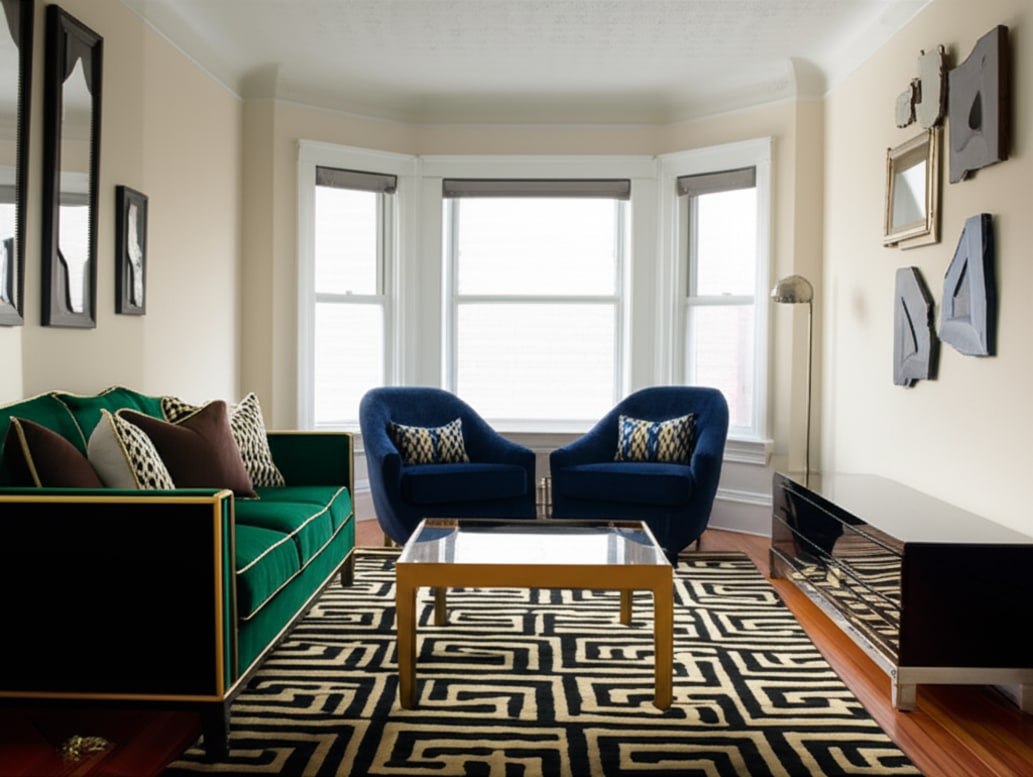
Sophisticated living space with modern luxury elements

Transform empty bedroom into a furnished, welcoming space

Spa-like design with modern fixtures and elegant finishes
Selected transformations
Real transformations created by our AI. Upload your room to create something amazing.
RoomEnhance workspace
Choose a focused studio or keep the full property workflow together in a listing, project, or team workspace.
Plan listing and design work in a saved, context-aware conversation.
Move property photos from brief and edits through client review and delivery.
Generate multiple design directions from one room photo.
Create listing videos, motion assets, and walkthrough media.
Place furniture and decor with specific arrangement guidance.
Mask one area and change it while preserving the rest of the room.
Turn plans and blueprints into presentation-ready visual concepts.
Stage empty property photos for marketing and review.
Remove visual clutter while keeping the room structure intact.
Organize related designs, notes, and shared work.
Publish private client-ready links and collect feedback.
Proven in real rooms
Compare curated before-and-after examples, then open the same tools to explore your own room.
Professional property workflow
Keep every room, instruction, generated edit, decision, and final file connected in one human-approved workflow.
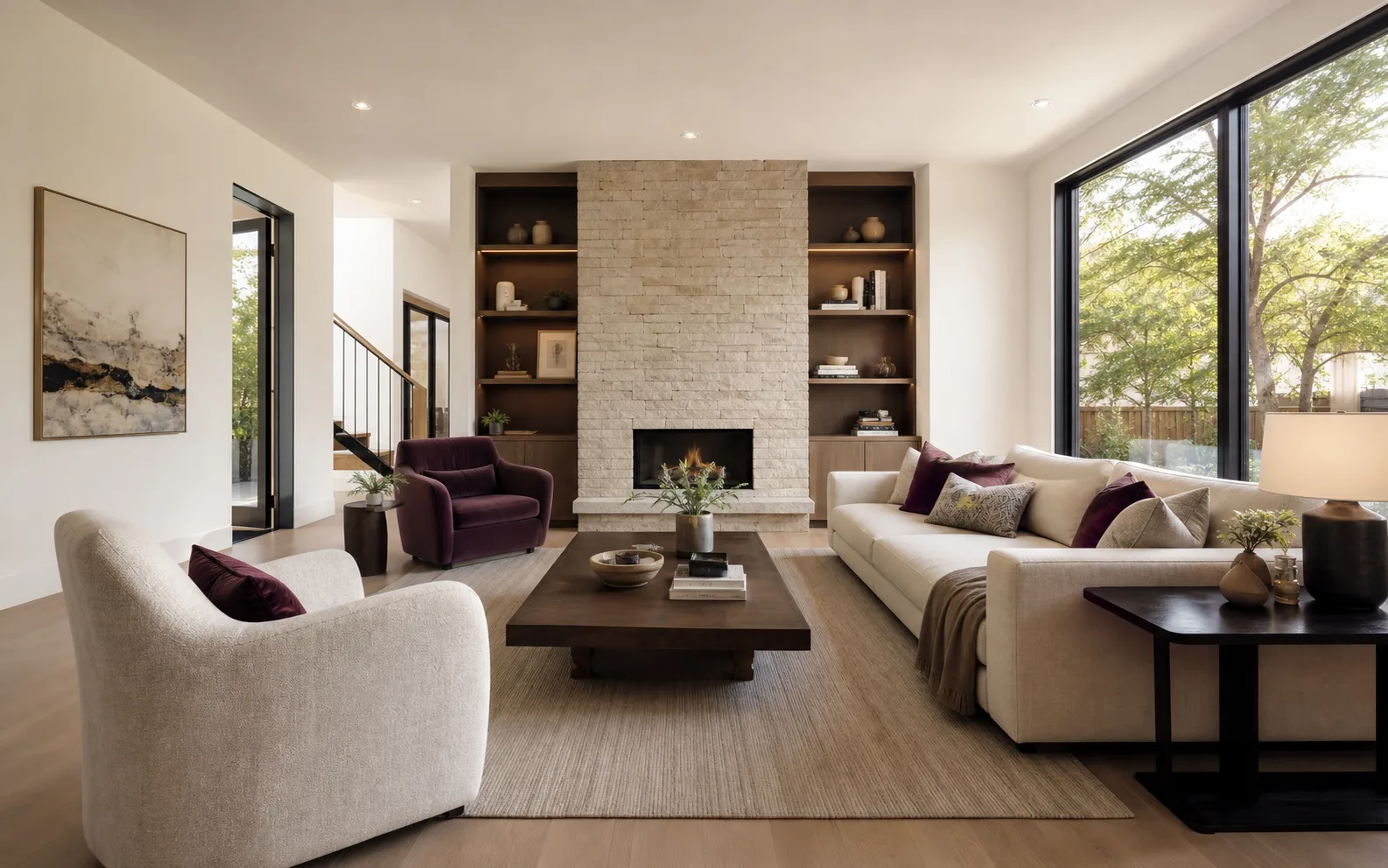
The Listing Agent groups listing photos, proposes the work, and waits for your approval before paid generation begins.
See the Listing AgentStructure Lock and precision masks keep protected architecture and must-keep objects inside a measured review path.
Explore protected editingSend a time-limited review email so clients can approve, comment, or request a focused revision without entering your workspace.
Review the photographer workflowPackage approved originals and final edits with disclosures, social crops, captions, and a version list in one download.
View professional packagesProfessional packages pair flexible credits with listing capacity. Monthly Agency and Studio plans also include shared team seats, approvals, analytics, and delivery tools.
Compare professional packagesA concise newsletter about interior design decisions, useful tools, and room inspiration.