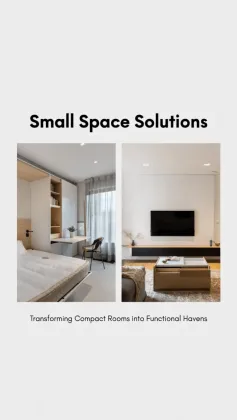

How to Maximize Small Space Living with Clever Design Tricks: Transform Your Compact Home into a Spacious Haven
Living in a small space doesn't mean sacrificing style, comfort, or functionality. In fact, some of the world's most innovative and beautiful interiors exist within compact footprints, proving that limitation often breeds creativity. Whether you're dealing with a studio apartment, a tiny house, or simply a small room that needs to work harder, the right design strategies can make your space feel dramatically larger while improving its functionality.
The secret to successful small space living lies in understanding how to manipulate perception, maximize functionality, and create systems that support your lifestyle without overwhelming your space. This comprehensive guide will teach you professional design tricks that can transform even the tiniest spaces into comfortable, beautiful, and highly functional homes.
Understanding Space Perception: The Psychology of Size
Before diving into specific techniques, it's crucial to understand how our brains perceive space. Visual perception is remarkably malleable, and skilled designers use this to their advantage.
How We Process Spatial Information
Visual Flow: Our eyes naturally follow lines and paths through a space. Uninterrupted sightlines make spaces feel larger, while visual barriers make them feel smaller.
Light Reflection: Bright, well-lit spaces appear larger than dark ones. Light bouncing off multiple surfaces creates depth and dimension.
Color Temperature: Cool colors recede visually, making walls appear farther away, while warm colors advance and can make spaces feel smaller.
Scale and Proportion: Objects that are appropriately scaled to the space create harmony, while oversized or undersized items can throw off spatial perception.
Cognitive Load and Clutter
Mental Processing: The more objects our brains have to process, the more cramped a space feels. Reducing visual complexity creates a sense of spaciousness.
Focal Points: Having too many competing focal points creates visual chaos. Strategic focal points guide the eye and create organized perception.
Pattern and Repetition: Consistent patterns and repeated elements create visual rhythm that helps organize and calm the space.
Perception Insight: Studies in environmental psychology show that people consistently estimate rooms with lighter colors and more reflective surfaces to be 10-15% larger than identical rooms with darker finishes.
Color and Light: Your Most Powerful Tools
Strategic Color Application
The Light Color Foundation:
- Use light, neutral colors on walls to reflect maximum light
- White, cream, pale gray, and soft pastels expand visual boundaries
- Save darker colors for accents and accessories
- Consider painting trim and walls the same color to eliminate visual breaks
Color Temperature Strategy:
- Cool blues and greens make walls appear to recede
- Warm colors should be used sparingly as accents
- Monochromatic schemes reduce visual complexity
- Use the 60-30-10 rule: 60% light dominant color, 30% medium secondary, 10% bold accent
Advanced Color Techniques:
Gradient Effects: Painting walls in slightly different shades of the same color can create subtle depth without visual interruption.
Ceiling Color Strategy: Paint the ceiling the same color as walls, or use a color two shades lighter to increase height perception.
Floor to Ceiling Continuity: Minimize contrast between floor and walls to create uninterrupted vertical lines.
Maximizing Natural Light
Window Treatments:
- Hang curtains as close to the ceiling as possible
- Extend curtain rods beyond window frames to allow full light exposure
- Choose sheer or light-filtering fabrics over blackout options when possible
- Consider top-down, bottom-up shades for privacy without light loss
Mirror Placement Strategy:
- Position mirrors opposite windows to reflect natural light
- Use multiple smaller mirrors rather than one large one for distributed light
- Place mirrors at angles to bounce light around corners
- Consider mirrored furniture or accessories for subtle light multiplication
Light-Enhancing Surfaces:
- Choose glossy or semi-gloss paint finishes over matte
- Incorporate metallic accents to reflect light
- Use glass or acrylic furniture that doesn't block light
- Select light-colored or reflective flooring materials
Artificial Lighting Design
Layered Lighting Approach:
Ambient Lighting: Provide overall illumination with ceiling fixtures or multiple table lamps Task Lighting: Add focused light for specific activities without creating harsh shadows Accent Lighting: Use LED strips, wall sconces, or picture lights to highlight features and create depth
LED Innovation:
- Under-cabinet LED strips make counters appear to float
- Toe-kick lighting under furniture creates the illusion of floating
- Recessed lighting eliminates visual bulk of fixtures
- Color-changing LEDs allow mood adjustment throughout the day
Furniture Selection and Arrangement
Multi-Functional Furniture Mastery
Storage-Integrated Seating:
- Ottoman storage that doubles as coffee tables and extra seating
- Bench seating with built-in storage for entryways or dining areas
- Storage beds with built-in drawers or hydraulic lift systems
- Window seat storage for books, linens, or seasonal items
Transformable Furniture:
- Dining tables that expand for entertaining or fold away completely
- Desk surfaces that flip up from console tables
- Murphy beds that become shelving or desks when folded
- Modular seating that reconfigures for different activities
Vertical Integration:
- Floor-to-ceiling bookcases that house entertainment systems
- Loft beds that create office or living space underneath
- Wall-mounted desks that fold away when not in use
- Hanging chairs that free up floor space
Scale and Proportion Principles
Appropriate Sizing:
- Choose furniture proportional to your space, not your ideals
- Use apartment-scale pieces designed for smaller rooms
- Avoid furniture that overwhelms the space or creates cramped pathways
- Consider custom pieces that fit your exact dimensions
Visual Weight Distribution:
- Balance heavy and light visual elements throughout the space
- Use furniture with exposed legs to create visual space underneath
- Choose pieces with clean lines over ornate details
- Mix transparent and opaque materials for visual variety
Traffic Flow Optimization:
- Maintain 30-36 inches of walking space in main pathways
- Create multiple routes through larger spaces when possible
- Avoid blocking natural light sources with tall furniture
- Position furniture to encourage desired traffic patterns
Strategic Furniture Placement
Float Don't Push:
- Pull furniture away from walls to create intimate groupings
- Use area rugs to define separate zones within larger spaces
- Create conversation areas that feel purposeful and designed
- Leave breathing room between furniture pieces
Height Variation:
- Mix furniture heights to create visual rhythm and interest
- Use tall pieces sparingly and position them strategically
- Create layers with low, medium, and high elements
- Draw the eye upward with vertical design elements
Professional Secret: Interior designers often use the "triangle rule" - arranging furniture in triangular compositions to create natural, comfortable groupings that maximize space efficiency.
Vertical Design Strategies
Wall-Mounted Solutions
Floating Shelves:
- Install shelves at varying heights for visual interest
- Use consistent materials and finishes for cohesion
- Display books with spines facing forward for color coordination
- Mix open storage with closed storage for clean lines
Wall-Mounted Furniture:
- Floating desks save floor space while providing work surfaces
- Wall-mounted nightstands eliminate furniture bulk beside beds
- Fold-down tables provide dining or work space on demand
- Vertical Murphy beds create dual-purpose rooms
Vertical Storage Systems:
- Floor-to-ceiling closet systems maximize storage capacity
- Pegboard systems allow flexible organization and display
- Rail systems with hanging accessories adapt to changing needs
- Magnetic strips and hooks utilize otherwise wasted wall space
Creating Height Illusions
Vertical Lines and Patterns:
- Use vertical wallpaper patterns or paint techniques
- Install board and batten or other vertical paneling
- Choose tall, narrow artwork over wide, horizontal pieces
- Use floor-to-ceiling curtains even on shorter windows
Ceiling Height Manipulation:
- Paint ceilings lighter than walls to increase perceived height
- Use uplighting to wash the ceiling with light
- Install crown molding to draw the eye upward
- Hang pendant lights or chandeliers to emphasize ceiling height
Proportional Relationships:
- Choose taller rather than wider furniture when possible
- Use narrow console tables instead of deep ones
- Select bar-height rather than standard-height dining tables
- Install higher baseboards to alter room proportions
Space Division and Zoning
Creating Rooms Within Rooms
Visual Division Techniques:
- Use area rugs to define separate functional zones
- Change flooring materials or patterns to delineate areas
- Vary ceiling heights with dropped areas or raised platforms
- Use different lighting schemes for different zones
Flexible Partition Solutions:
- Curtain panels that can open or close spaces as needed
- Sliding panels or doors that disappear when not required
- Bookcases that divide space while providing storage
- Plants or plant walls that create natural divisions
Level Changes:
- Raised platforms for sleeping areas in studio apartments
- Step-down conversation pits in larger spaces
- Built-in seating that defines zones while providing function
- Loft areas that create two-story functionality in single rooms
Open Concept Optimization
Sight Line Management:
- Maintain views through the space to preserve openness
- Use low furniture that doesn't block visual flow
- Position taller pieces against walls rather than in the center
- Create clear pathways that guide movement through zones
Color Flow Between Zones:
- Use consistent color palettes throughout connected areas
- Vary intensity rather than hue to distinguish zones
- Repeat accent colors in different zones for cohesion
- Use neutral backgrounds with zone-specific accent colors
Functional Transitions:
- Use furniture arrangement to naturally guide activity flow
- Position lighting to support different functions in each zone
- Ensure each zone has appropriate storage for its activities
- Plan electrical and technology needs for each functional area
Storage Solutions That Don't Compromise Style
Hidden Storage Innovations
Built-In Opportunities:
- Stair storage that utilizes every inch of vertical space
- Window seat storage for seasonal items or linens
- Toe-kick drawers under cabinets and built-ins
- Recessed wall niches for frequently used items
Furniture with Secret Storage:
- Coffee tables with lift-top surfaces and hidden compartments
- Artwork that conceals wall safes or storage compartments
- Mirrors with hidden jewelry or accessory storage
- Ottomans with internal organization systems
Overhead Storage:
- High cabinets in kitchens and bathrooms for seasonal items
- Overhead bed storage in small bedrooms
- Ceiling-mounted nets or platforms for bulky items
- Loft storage accessed by ladder for rarely used items
Organizational Systems
Vertical Storage Maximization:
- Use shelf dividers to create more organized storage
- Install pull-out drawers in deep cabinets
- Add door-mounted storage on cabinet interiors
- Use stackable containers to utilize full height
Rotation and Seasonal Strategy:
- Keep only current season items accessible
- Store off-season items in less convenient locations
- Implement clothing rotation systems for small closets
- Use vacuum storage bags for bulky seasonal items
Digital Minimization:
- Scan and digitize documents to reduce paper storage needs
- Use cloud storage for photos and media files
- Choose digital subscriptions over physical magazines
- Consolidate charging stations to reduce cord clutter
Optical Illusions and Visual Tricks
Mirror Magic
Strategic Mirror Placement:
- Position large mirrors at the end of hallways to create infinite depth
- Use mirrored walls behind furniture to double visual space
- Install mirror tiles on one wall to create texture and light
- Place mirrors at angles to reflect interesting views or art
Mirror Alternatives:
- Metallic wallpaper or paint for subtle reflection without obvious mirrors
- Glass artwork or decorative panels for sophisticated light play
- Polished metal surfaces on furniture or accessories
- Glossy ceramic tiles in strategic locations
Pattern and Texture Psychology
Scale-Appropriate Patterns:
- Use larger patterns in small spaces rather than tiny ones
- Choose patterns with significant white or light space
- Limit bold patterns to single accent walls or accessories
- Use geometric patterns to create movement and interest
Texture for Depth:
- Layer different textures to create visual complexity
- Use natural textures like wood and stone for warmth
- Incorporate soft textures to balance hard surfaces
- Choose textures that reflect light rather than absorb it
Architectural Enhancements
Creating Focal Points:
- Use one strong focal point per room to organize visual attention
- Choose artwork or features that draw the eye upward
- Create architectural interest with molding or built-ins
- Use plants or sculptural elements as organic focal points
Line and Movement:
- Use diagonal lines to create dynamic visual movement
- Incorporate curves to soften angular small spaces
- Create visual pathways with flooring patterns or furniture arrangement
- Use repetitive elements to create rhythm and flow
Technology Integration for Small Spaces
Smart Home Solutions
Space-Saving Technology:
- Wall-mounted TVs that eliminate entertainment center bulk
- Projectors that replace large televisions entirely
- Wireless speakers that eliminate component systems
- Smart home hubs that control multiple functions from single devices
Hidden Technology Integration:
- Built-in charging stations that eliminate cord clutter
- Concealed wiring that maintains clean lines
- Furniture with integrated technology ports and storage
- Smart switches that eliminate wall clutter
Compact Appliances
Kitchen Efficiency:
- Combination appliances that serve multiple functions
- Compact appliances scaled for small space cooking
- Pull-out appliance garages that hide counter clutter
- Induction cooktops that double as counter space when not in use
Laundry Solutions:
- Stackable or combination washer-dryer units
- Compact units that fit in closets or under counters
- Portable options for spaces without dedicated laundry areas
- Drying racks that fold flat when not in use
Room-Specific Small Space Strategies
Studio Apartments
Creating Privacy Without Walls:
- Use tall plants or plant walls as natural dividers
- Install ceiling-track curtains for flexible space division
- Position furniture to create natural boundaries between zones
- Use different lighting schemes to psychologically separate areas
Sleep Zone Strategy:
- Elevate the bed on a platform with storage underneath
- Use murphy beds or daybed configurations for dual-purpose spaces
- Create a sleeping alcove with curtains or panels
- Position the bed to maximize natural light and views
Small Kitchens
Counter Space Maximization:
- Use roll-out cutting boards that extend counter space
- Install over-sink cutting boards for additional prep area
- Choose appliances that can be stored away when not in use
- Use every vertical inch with tall cabinets and open shelving
Storage Innovation:
- Install pull-out pantry systems in narrow spaces
- Use magnetic strips and hooks for utensils and tools
- Choose stackable and nesting cookware to save cabinet space
- Install drawer organizers to maximize storage efficiency
Tiny Bathrooms
Visual Expansion Techniques:
- Use large-format tiles to reduce grout lines and create flow
- Install floating vanities to expose floor space underneath
- Choose clear glass shower doors over opaque ones
- Use the same tile on floors and walls for seamless appearance
Storage Solutions:
- Install recessed medicine cabinets and shower niches
- Use over-toilet storage to maximize vertical space
- Choose vanities with maximum storage capacity
- Install hooks and towel bars on every available wall
Lifestyle Adaptation for Small Space Living
Mindful Consumption
Quality Over Quantity Philosophy:
- Invest in fewer, higher-quality pieces that serve multiple purposes
- Choose items that you truly love and use regularly
- Avoid impulse purchases that don't fit your space or lifestyle
- Regularly evaluate and remove items that no longer serve you
One-In-One-Out Policy:
- For every new item brought in, remove something else
- Apply this rule to clothing, books, kitchen items, and decor
- Use the policy to maintain organization systems
- Make removal decisions before acquisition when possible
Maximizing Outdoor Space
Balcony and Patio Optimization:
- Use folding furniture that can be stored when not in use
- Choose weather-resistant storage that doubles as seating
- Create vertical gardens to maximize growing space
- Use outdoor space as extension of indoor living areas
Community Space Utilization:
- Take advantage of shared amenities like lounges and roof decks
- Use community spaces for entertaining when home space is limited
- Participate in neighborhood activities to expand your living environment
- Consider co-working spaces for work-from-home needs
Entertaining in Small Spaces
Flexible Arrangements:
- Choose furniture that can be easily rearranged for different group sizes
- Use floor cushions and poufs for additional flexible seating
- Plan parties that flow between indoor and outdoor spaces when possible
- Create buffet-style entertaining that doesn't require large dining tables
Space Expansion Strategies:
- Remove unnecessary furniture temporarily for large gatherings
- Use neighboring spaces like hallways or balconies for overflow
- Plan activities that don't require everyone to be seated simultaneously
- Consider hosting smaller, more intimate gatherings that fit your space
Visualizing Small Space Transformations
Understanding how these strategies will work in your specific space is crucial for successful implementation.
Want to see how these space-maximizing techniques will work in your home? Try Room Enhance AI to experiment with different furniture arrangements, color schemes, and space-saving solutions in your actual room before making any changes.
Budget-Friendly Implementation
High-Impact, Low-Cost Changes
Paint and Light:
- Strategic paint colors can transform space perception for under $100
- LED light bulbs and strategic lighting placement improve spaciousness
- DIY mirror projects can create space illusions affordably
- Decluttering and reorganizing cost nothing but create immediate impact
Textile Updates:
- New curtains hung at ceiling height change room proportions
- Area rugs define zones and add visual interest
- Throw pillows and blankets add color and comfort
- Wall tapestries or fabric panels create focal points
DIY Projects for Space Maximization
Custom Storage Solutions:
- Build floating shelves with basic carpentry skills
- Create under-bed storage boxes with simple materials
- Install pegboard organization systems
- Make ottoman storage with basic upholstery techniques
Furniture Modifications:
- Add casters to furniture for mobility and flexibility
- Create dual-purpose pieces by modifying existing furniture
- Build custom room dividers with basic materials
- Install pull-out drawers in existing cabinets
Common Small Space Mistakes to Avoid
Over-Scaling Issues
Furniture Size Errors:
- Choosing furniture too small, which makes the space feel disjointed
- Selecting oversized pieces that overwhelm the room
- Ignoring traffic flow when placing furniture
- Failing to measure doorways and spaces before purchasing
Storage Mistakes:
- Over-organizing to the point where systems become cumbersome
- Choosing storage solutions that create visual clutter
- Failing to utilize vertical space effectively
- Storing too much and becoming overwhelmed by possessions
Visual Clutter Creation
Color and Pattern Overload:
- Using too many colors, which fragments the space
- Mixing too many patterns without unifying elements
- Choosing busy patterns that make the space feel smaller
- Failing to create visual rest areas
Lighting Errors:
- Relying on single overhead lighting sources
- Choosing fixtures that are too large for the space
- Creating harsh shadows that make spaces feel smaller
- Ignoring natural light optimization opportunities
Long-term Success Strategies
Adapting to Changing Needs
Flexible Design Approach:
- Choose modular systems that can evolve with your needs
- Invest in quality pieces that can move with you
- Plan for seasonal changes and lifestyle evolution
- Create systems that can accommodate guests and life changes
Maintenance and Evolution:
- Regularly reassess your space efficiency and organization
- Update storage systems as needs change
- Maintain flexibility in furniture arrangement
- Continue learning new space optimization techniques
Building Community in Small Spaces
Neighbor Relationships:
- Build relationships that allow for resource sharing
- Participate in building or neighborhood activities
- Share tools, books, and occasional-use items
- Create informal networks for space and resource sharing
Social Life Integration:
- Plan social activities that work well in small spaces
- Use community spaces for larger gatherings
- Maintain connections through outdoor and public space activities
- Balance private retreat time with social engagement
Conclusion
Living well in a small space is an art that combines practical strategy, creative problem-solving, and mindful lifestyle choices. The key is not to fight against your space limitations but to work with them creatively, using proven design principles to maximize both function and beauty.
Remember that the goal isn't to make your small space feel large—it's to make it feel perfect for your life. The most successful small space dwellers focus on creating homes that support their activities, reflect their personalities, and provide the comfort and functionality they need.
Small space living offers unique advantages: lower costs, easier maintenance, forced minimalism, and the satisfaction of creative problem-solving. By applying these design strategies thoughtfully and consistently, you can create a small space that feels spacious, functions beautifully, and provides everything you need for comfortable living.
The future of urban living is increasingly about making small spaces work brilliantly. Master these skills now, and you'll be prepared for whatever space challenges and opportunities come your way.
Small Space Action Plan
Week 1: Assessment and Planning
- Measure your space accurately and create a floor plan
- Evaluate current furniture for scale and function
- Identify traffic flow issues and problem areas
- List your must-have functions and lifestyle needs
Week 2: Color and Light Optimization
- Implement strategic lighting improvements
- Consider paint color changes for space expansion
- Add mirrors in strategic locations
- Maximize natural light with window treatment updates
Week 3: Furniture and Storage Solutions
- Research and source space-appropriate furniture
- Implement vertical storage solutions
- Create or purchase multi-functional furniture pieces
- Organize existing storage for maximum efficiency
Week 4: Styling and Refinement
- Add space-enhancing accessories and decor
- Create distinct zones within your space
- Implement systems for maintaining organization
- Plan for ongoing space optimization
Space-Saving Furniture Checklist
Essential Multi-Functional Pieces
- Storage ottoman or bench
- Expandable or fold-down dining table
- Bed with built-in storage
- Desk that can fold away or serve multiple purposes
- Modular seating that reconfigures for different needs
Vertical Solutions
- Floor-to-ceiling shelving or storage
- Wall-mounted desk or workspace
- Floating shelves throughout the space
- Over-door storage systems
- Ceiling-mounted hanging solutions
Space-Enhancing Accessories
- Strategic mirrors for light and space
- Plants that add life without taking space
- Lighting that creates layers and depth
- Area rugs that define zones
- Window treatments that maximize light
Frequently Asked Questions
Q: What's the biggest mistake people make in small spaces?
A: The most common mistake is choosing furniture that's either too large or too small for the space. Proper scale is crucial—furniture should be proportional to the room size while still meeting functional needs.
Q: How do I make a studio apartment feel like it has separate rooms?
A: Use area rugs, different lighting schemes, furniture arrangement, and flexible dividers like curtains or bookcases to create distinct zones for sleeping, living, and working.
Q: Is it better to have lots of small storage or fewer large storage pieces?
A: Generally, fewer larger pieces create a cleaner look and are more efficient. However, the key is choosing storage that fits your specific items and lifestyle needs.
Q: How can I entertain guests in a very small space?
A: Focus on flexible seating options like floor cushions and ottomans, choose gatherings that don't require everyone to sit simultaneously, and consider using outdoor or community spaces for larger groups.
Q: What colors should I avoid in small spaces?
A: Dark colors aren't automatically off-limits, but avoid using multiple dark colors together. The key is maintaining good contrast and ensuring adequate lighting regardless of color choices.
Q: How do I deal with clutter in a small space?
A: Implement the one-in-one-out rule, focus on quality over quantity, create designated homes for everything, and regularly evaluate what you truly need and use.