
Interior Design Trends for 2025: What to Expect in Home Aesthetics
As we advance deeper into the 2020s, interior design continues its rapid evolution, driven by technological innovation, environmental consciousness, and a profound shift in how we live, work, and connect within our spaces. The year 2025 promises to be a watershed moment where sustainable luxury meets technological integration, creating interiors that are both emotionally resonant and functionally intelligent.
The convergence of artificial intelligence, climate awareness, and post-pandemic lifestyle changes has fundamentally altered our relationship with interior spaces. Homes are no longer just aesthetic statements—they're becoming responsive environments that adapt to our needs, support our wellbeing, and minimize environmental impact while maximizing beauty and functionality.
The Revolutionary Rise of Biophilic Technology Integration
Advanced Living Systems in Interior Design
Biophilic design in 2025 transcends simple plant placement, evolving into sophisticated living systems that actively improve indoor environments while creating stunning visual impact.
Smart Vertical Gardens and Living Walls: The integration of technology with natural elements reaches new sophistication:
- AI-Monitored Plant Health: Automated systems monitoring soil moisture, nutrient levels, and light exposure with smartphone integration for optimal plant care
- Carbon Sequestration Walls: Living walls designed specifically to capture and process indoor air pollutants, featuring plant species selected for maximum air purification
- Seasonal Adaptation Systems: Automated plant rotation systems allowing walls to display different species throughout the year
- Integrated Water Features: Recirculating water systems with built-in filtration creating both visual and auditory natural elements
Regenerative Material Integration: 2025 sees the emergence of materials that actively improve environmental conditions:
- Mycelium-Based Surfaces: Furniture and wall coverings made from mushroom root systems that continue to grow and self-repair
- Air-Purifying Textiles: Fabrics embedded with activated carbon and natural fibers that continuously filter air
- Photosynthetic Panels: Window treatments and room dividers incorporating living algae that generate oxygen
- Bio-responsive Flooring: Materials that change color and texture based on humidity and temperature for both function and aesthetics
Circadian Wellness Architecture
Dynamic Lighting Ecosystems: Advanced lighting systems that support natural biological rhythms while creating dramatic aesthetic effects:
- Spectrum Shifting Technology: LED systems that automatically adjust color temperature throughout the day, from energizing cool blues in morning to warm amber evening tones
- Seasonal Affective Therapy Integration: Built-in light therapy systems addressing seasonal depression through strategic bright light exposure
- Natural Light Amplification: Mirror and prism systems that capture and redirect natural light to interior spaces
- Biometric Response Lighting: Systems that adjust based on occupant heart rate, stress levels, and activity patterns
Artificial Intelligence: The Invisible Interior Designer
Predictive Space Optimization
Behavioral Analysis and Space Adaptation: AI systems in 2025 learn from occupant behavior to continuously optimize living spaces:
- Traffic Pattern Recognition: Smart furniture that repositions based on daily movement patterns and usage analytics
- Preference Learning Systems: AI that remembers individual comfort preferences for temperature, lighting, and spatial arrangement
- Predictive Maintenance: Systems that anticipate maintenance needs for everything from HVAC to furniture, scheduling service before problems arise
- Emotional State Recognition: Environmental adjustments based on voice patterns, facial recognition, and biometric data to support mood and productivity
Adaptive Interior Architecture: Physical spaces that reshape themselves based on need and preference:
- Modular Wall Systems: AI-controlled moveable walls that reconfigure spaces throughout the day for work, entertainment, and rest
- Smart Storage Solutions: Automated storage systems that organize and retrieve items based on usage patterns and seasonal needs
- Dynamic Furniture: Seating and surfaces that automatically adjust height, firmness, and position based on user preferences and activities
- Climate Microcontrol: Zone-based environmental control systems that create optimal conditions for different activities simultaneously
Generative Design and Personalization
AI-Curated Aesthetic Evolution: Artificial intelligence creates personalized design schemes that evolve with occupant preferences:
- Style Learning Algorithms: AI that analyzes personal aesthetic choices across digital platforms to suggest interior modifications
- Cultural Sensitivity Integration: Systems that incorporate cultural background and regional preferences into design recommendations
- Lifestyle Adaptation: Designs that adjust to life changes such as family growth, aging, or career transitions
- Trend Prediction: AI systems that anticipate emerging design trends based on global data analysis and personal preference evolution
Sustainable Luxury: The New Standard
Circular Economy Design Principles
Cradle-to-Cradle Material Systems: 2025 interior design embraces complete material lifecycle management:
- Modular Furniture Systems: High-end pieces designed for complete disassembly and component reuse at end of life
- Leasing-Based Luxury: Premium furniture and decor available through subscription models that ensure proper recycling and upgrades
- Regional Material Sourcing: Luxury items crafted from locally sourced materials to minimize transportation impact
- Biodegradable Luxury Textiles: High-end fabrics made from innovative materials like lab-grown silk and agricultural waste
Carbon-Negative Interior Elements: Design elements that actively reduce atmospheric carbon:
- Reclaimed Carbon Surfaces: Countertops and furniture made from captured atmospheric carbon combined with recycled materials
- Kelp and Algae Textiles: Luxury fabrics made from rapidly renewable ocean vegetation
- Bamboo Architecture: Structural and decorative elements from the fastest-growing renewable resource
- Upcycled Precious Materials: Luxury finishes created from electronic waste gold, silver, and rare earth elements
Energy-Generating Design Integration
Kinetic and Solar Integration: Beautiful design elements that generate power while enhancing aesthetics:
- Solar Glass Features: Windows and decorative panels that generate electricity while providing light filtration
- Kinetic Floor Systems: Beautiful hardwood and tile floors that generate energy from foot traffic
- Wind-Powered Interior Elements: Decorative air circulation features that generate small amounts of power
- Thermoelectric Furniture: Seating and surfaces that generate power from body heat while providing comfort
Color Evolution: The Psychology-Driven Palette
Neurologically-Informed Color Selection
Therapeutic Color Applications: 2025 color trends are driven by neuroscience research on color's impact on mental health and cognitive function:
Primary Trend Palettes:
"Grounding Earth" (Primary Trend):
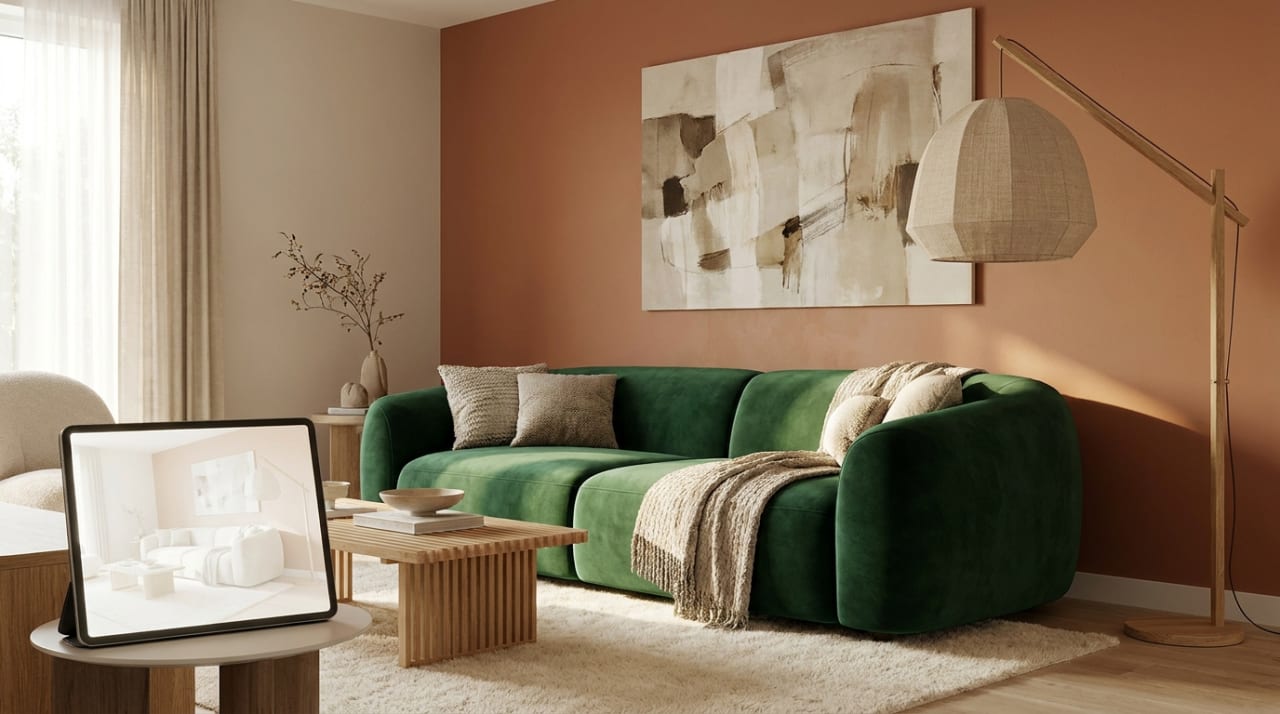
- Warm Terracotta: Promotes stability and connection to nature
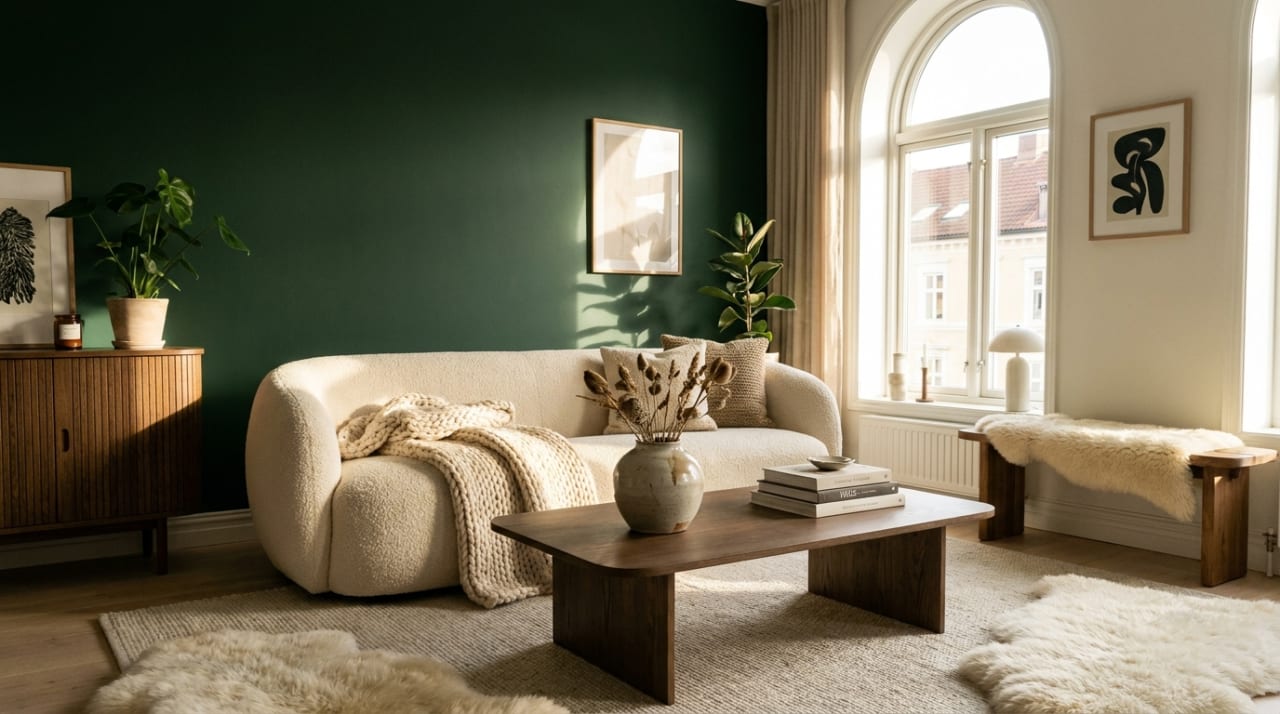
- Deep Forest Green: Reduces eye strain and supports concentration
- Rich Clay Brown: Creates sense of security and comfort
- Sunset Orange: Stimulates creativity and social connection
"Digital Detox Serenity":
- Sage Gray-Green: Promotes relaxation and stress reduction
- Soft Lavender: Supports sleep quality and emotional balance
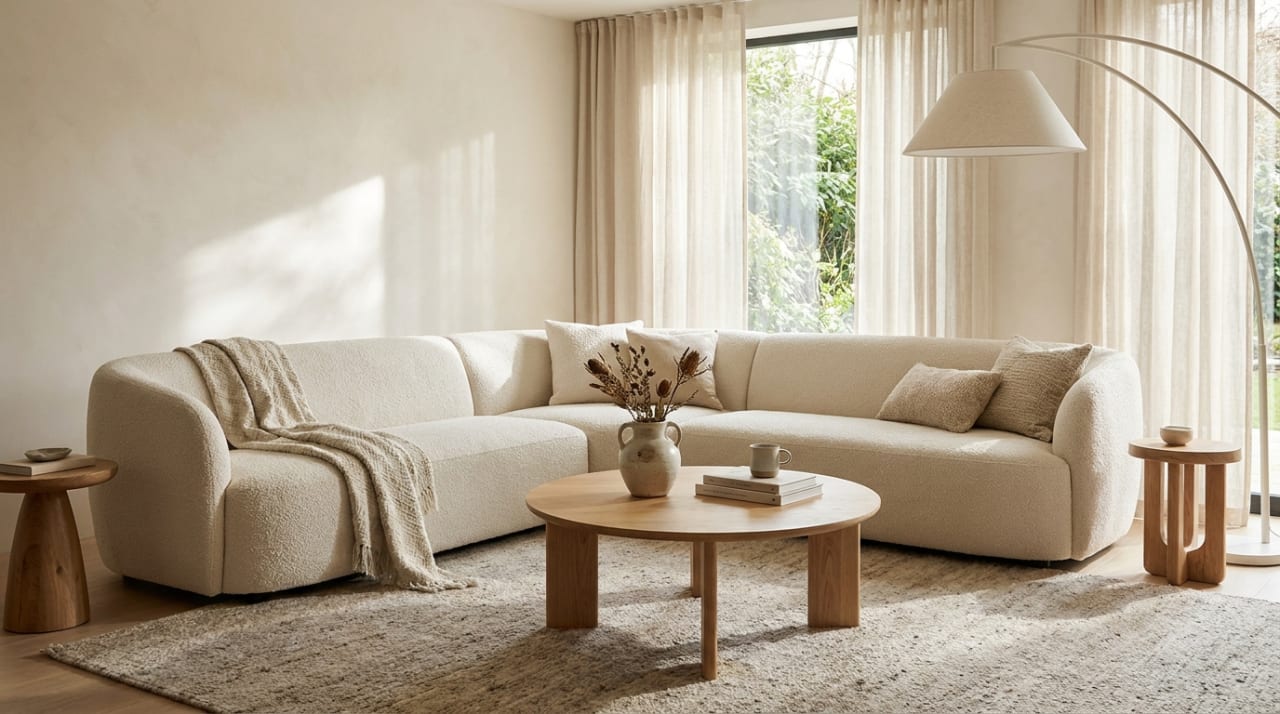
- Warm Cream: Creates sense of spaciousness without sterility
- Muted Coral: Provides gentle energy without overstimulation
"Optimistic Futures":
- Electric Blue: Enhances focus and productivity
- Vibrant Yellow-Green: Promotes innovation and positive thinking
- Energizing Coral: Stimulates appetite and social interaction
- Deep Plum: Adds sophistication and contemplative depth
Cultural Color Integration
Globally-Inspired Regional Palettes: As remote work enables global living, color trends incorporate diverse cultural aesthetics:
- Scandinavian Hygge Evolved: Warm grays with surprising pops of deep teal and amber
- Mediterranean Modernism: Sun-bleached whites with vibrant azure and terra cotta
- Japanese Minimalism Plus: Traditional neutrals enhanced with strategic bold accents
- African Earth Sophistication: Rich ochres and deep browns with metallic highlights
Texture Revolution: Tactile Experience Design
Multi-Sensory Surface Integration
Advanced Textile Technologies: 2025 sees revolutionary developments in how we experience surfaces through touch:
Smart Textiles and Responsive Materials:
- Temperature-Regulating Fabrics: Upholstery and bedding that automatically adjust temperature based on body heat
- Texture-Changing Surfaces: Materials that shift from smooth to textured based on lighting or touch
- Aromatherapy Integration: Fabrics that release calming or energizing scents when touched
- Sound-Absorbing Aesthetics: Beautiful textiles that significantly improve room acoustics
Haptic Feedback Integration:
- Vibrotactile Wall Treatments: Surfaces that provide gentle vibration for relaxation and stress relief
- Pressure-Responsive Flooring: Floors that provide subtle feedback for improved balance and circulation
- Touch-Activated Comfort: Surfaces that warm or cool in response to contact
Contrast and Harmony in Texture Mixing
Sophisticated Texture Layering: 2025 texture trends focus on intentional contrast creating rich sensory experiences:
- Rough-Smooth Juxtaposition: Deliberately pairing very smooth surfaces (glass, metal) with highly textured elements (raw wood, natural stone)
- Temperature Contrast: Combining materials that feel warm (wood, wool) with those that feel cool (metal, stone) for sensory interest
- Scale Variation: Mixing fine textures (silk, polished marble) with bold textures (chunky knits, rough-hewn timber)
- Directional Texture Play: Combining horizontal grain wood with vertical weave textiles for dynamic visual movement
Space-Adaptive Architecture and Flexibility
Transformative Living Solutions
Multi-Generational Adaptability: 2025 homes are designed to accommodate changing family structures and aging-in-place needs:
Universal Design Luxury:
- Invisible Accessibility: Beautiful design elements that provide accessibility without appearing medicinal or institutional
- Adaptable Counter Heights: Kitchen and bathroom surfaces that adjust for users of different heights and mobility levels
- Barrier-Free Transitions: Seamless flooring and doorway solutions that eliminate tripping hazards while maintaining aesthetic flow
- Smart Home Health Integration: Environmental monitoring for air quality, fall detection, and emergency response
Flexible Space Architecture:
- Sliding Wall Systems: Beautiful partitions that open spaces for entertaining or close them for privacy
- Convertible Room Functions: Spaces designed to transform from office to bedroom to entertainment area
- Modular Storage Integration: Built-in systems that reconfigure based on seasonal or life-change storage needs
- Outdoor-Indoor Integration: Accordion walls and transitional spaces that extend living areas into outdoor spaces
Micro-Living Maximization
Compact Space Innovation: As urban housing becomes increasingly expensive, 2025 design maximizes small space functionality:
Vertical Living Solutions:
- Loft Integration Systems: Beautiful stairs that incorporate storage, workspace, and seating
- Wall-Mounted Living: Furniture systems that fold into walls when not needed
- Ceiling Storage Systems: Beautiful overhead storage that doesn't impact visual space
- Multi-Level Lighting: Illumination systems that create distinct zones in open spaces
Wellness-Integrated Interior Design
Mental Health-Supporting Environments
Stress-Reduction Design: 2025 interiors are specifically designed to support psychological wellbeing:
Calming Space Creation:
- Meditation Nooks: Dedicated spaces designed for mindfulness practice with appropriate lighting, seating, and sound management
- Anxiety-Reducing Color Schemes: Scientifically-selected colors that lower cortisol levels and promote relaxation
- Sound Masking Integration: Beautiful water features and wind chimes that provide natural sound masking for urban noise
- Digital Detox Zones: Spaces specifically designed without screens or digital interfaces for mental rest
Productivity Enhancement:
- Focus-Supporting Lighting: Task lighting designed to reduce eye strain and maintain alertness
- Ergonomic Beauty: Furniture that supports physical health while maintaining aesthetic appeal
- Air Quality Optimization: Integrated systems that maintain optimal humidity and filtration for cognitive function
- Natural Rhythm Support: Design elements that support natural sleep-wake cycles through light and color
Physical Health Integration
Exercise and Movement Support: Home design that encourages and supports physical activity:
- Integrated Fitness Zones: Beautiful exercise areas that don't compromise living space aesthetics
- Movement-Encouraging Layout: Furniture arrangements that promote walking and stretching throughout the day
- Posture-Supporting Design: Varied seating heights and work surfaces that promote healthy body positions
- Recovery Space Integration: Areas designed specifically for stretching, meditation, and physical recovery
Technology Integration: The Invisible Infrastructure
Seamless Smart Home Evolution
Hidden Technology Integration: 2025 smart homes prioritize invisible technology that enhances without dominating:
Ambient Computing:
- Voice-Activated Everything: Natural language control of lighting, temperature, music, and security without visible interfaces
- Gesture Recognition: Spatial control systems that respond to hand movements and body positioning
- Predictive Automation: Systems that anticipate needs based on patterns and environmental conditions
- Energy Management: Automated systems that optimize energy consumption while maintaining comfort
Connectivity Without Clutter:
- Wireless Charging Integration: Surfaces throughout the home that charge devices without cables
- Invisible Speaker Systems: Sound technology integrated into walls and furniture for seamless audio
- Hidden Camera Security: Surveillance systems that provide safety without visible cameras
- Smart Glass Integration: Windows and mirrors that display information and provide privacy on demand
Sustainable Technology
Energy-Positive Home Systems: Technology integration that reduces rather than increases energy consumption:
- Solar Integration: Roof and window systems that generate more energy than the home consumes
- Battery Storage Design: Beautiful energy storage solutions that double as furniture or art
- Smart Grid Integration: Homes that sell excess energy back to the grid during peak demand
- Water Recycling Systems: Closed-loop water systems that purify and reuse gray water
Cultural Fusion and Global Aesthetics
Post-Pandemic Global Design
Cultural Exchange Design: Remote work and virtual connection have created new appreciation for global aesthetics:
Fusion Aesthetic Movements:
- Scandi-Mediterranean: Nordic minimalism warmed with Mediterranean color and texture
- Japanese-Moroccan: Clean lines with rich textures and intricate patterns
- Industrial-Bohemian: Raw materials softened with global textiles and natural elements
- Modern-Traditional Fusion: Contemporary functionality with cultural craft and technique celebration
Artisan Craft Revival:
- Local Maker Integration: Spaces featuring locally-made furniture and art to support community economies
- Traditional Technique Innovation: Ancient crafts updated with modern materials and methods
- Cultural Storytelling: Design elements that honor cultural heritage while embracing innovation
- Global Craft Celebration: International artisan work featured as investment art
Economic Accessibility and Democratized Design
High Style at Every Budget
Accessible Luxury Movement: 2025 design trends emphasize that good design should be available regardless of economic status:
Budget-Friendly Innovation:
- Rental-Friendly Design: Beautiful solutions that don't require permanent modification
- DIY Luxury Techniques: High-end aesthetic techniques using accessible materials and methods
- Modular Investment: Start small and add elements over time rather than requiring complete room makeovers
- Second-Hand Sophistication: Thrift and vintage integration techniques that create luxury aesthetics
Community Design Resources:
- Design Sharing Platforms: Community resources for sharing tools, materials, and expertise
- Skill Exchange Networks: Local groups teaching design and construction skills
- Material Recovery Programs: Systems for reusing construction and furniture materials
- Cooperative Purchasing: Group buying programs for expensive but durable design elements
Implementation Strategies for 2025 Trends
Gradual Integration Approach
Trend Adoption Timeline: Smart implementation of 2025 trends without overwhelming spaces or budgets:
Phase 1 (Immediate - 3 months):
- Color Integration: Update paint and textiles to reflect new therapeutic color palettes
- Smart Home Basics: Install basic automation for lighting and temperature control
- Biophilic Starter Elements: Add air-purifying plants and natural material accents
- Texture Diversification: Introduce contrasting textures through pillows, throws, and small furniture pieces
Phase 2 (Medium-term - 6-12 months):
- Furniture Updates: Replace key pieces with sustainable, modular, or multi-functional options
- Technology Integration: Add more sophisticated smart home elements and hidden technology
- Air Quality Systems: Install air purification and humidity control systems
- Lighting Upgrades: Implement circadian rhythm lighting systems
Phase 3 (Long-term - 1-3 years):
- Structural Adaptations: Install moveable walls, adaptive surfaces, and major system upgrades
- Energy Generation: Add solar panels, energy storage, and other power-generating elements
- Complete Smart Integration: Full home automation with predictive and adaptive capabilities
- Custom Artisan Elements: Commission local artisans for unique, culturally-integrated pieces
Regional Adaptation Strategies
Climate-Appropriate Implementation: Adapting global trends to local environmental conditions:
Hot Climates:
- Emphasize cooling colors, natural ventilation, and energy-efficient cooling integration
- Focus on materials that perform well in high humidity and temperature
- Prioritize outdoor-indoor integration and shade management
Cold Climates:
- Incorporate warming colors and cozy textures while maintaining modern aesthetics
- Focus on energy conservation and indoor air quality during closed-window seasons
- Integrate seasonal light therapy and mood-supporting elements
Urban Environments:
- Prioritize space-saving and multi-functional design elements
- Focus on sound management and air purification
- Emphasize vertical growing and compact wellness spaces
Conclusion: The Future of Human-Centered Design
The interior design trends of 2025 represent more than aesthetic evolution—they embody a fundamental shift toward human-centered, environmentally conscious, and technologically enhanced living spaces. These trends recognize that our homes are not just backdrops for our lives, but active partners in our health, productivity, and happiness.
The convergence of sustainability, technology, and wellness creates unprecedented opportunities to design spaces that serve both individual needs and global environmental goals. Whether implementing small changes or planning major renovations, the key to successful 2025 design lies in thoughtful integration of these elements in ways that feel authentic and sustainable for your lifestyle.
The most successful implementations will balance innovation with comfort, technology with humanity, and global awareness with personal expression. As we move into 2025, our homes become testaments to our values, showcasing how beautiful design can contribute to a more sustainable, healthy, and connected world.
The future of interior design lies not in following trends blindly, but in understanding the deeper currents driving these changes and adapting them meaningfully to create spaces that truly support the lives we want to live. Whether you're a professional designer or a homeowner seeking inspiration, these trends offer a roadmap toward interiors that are beautiful, functional, and aligned with the values and challenges of our rapidly evolving world.
Need help visualizing how these trends might look in your own home? Try Room Enhance AI to transform photos of your space with different styles and design elements, bringing the future of interior design into your present reality.