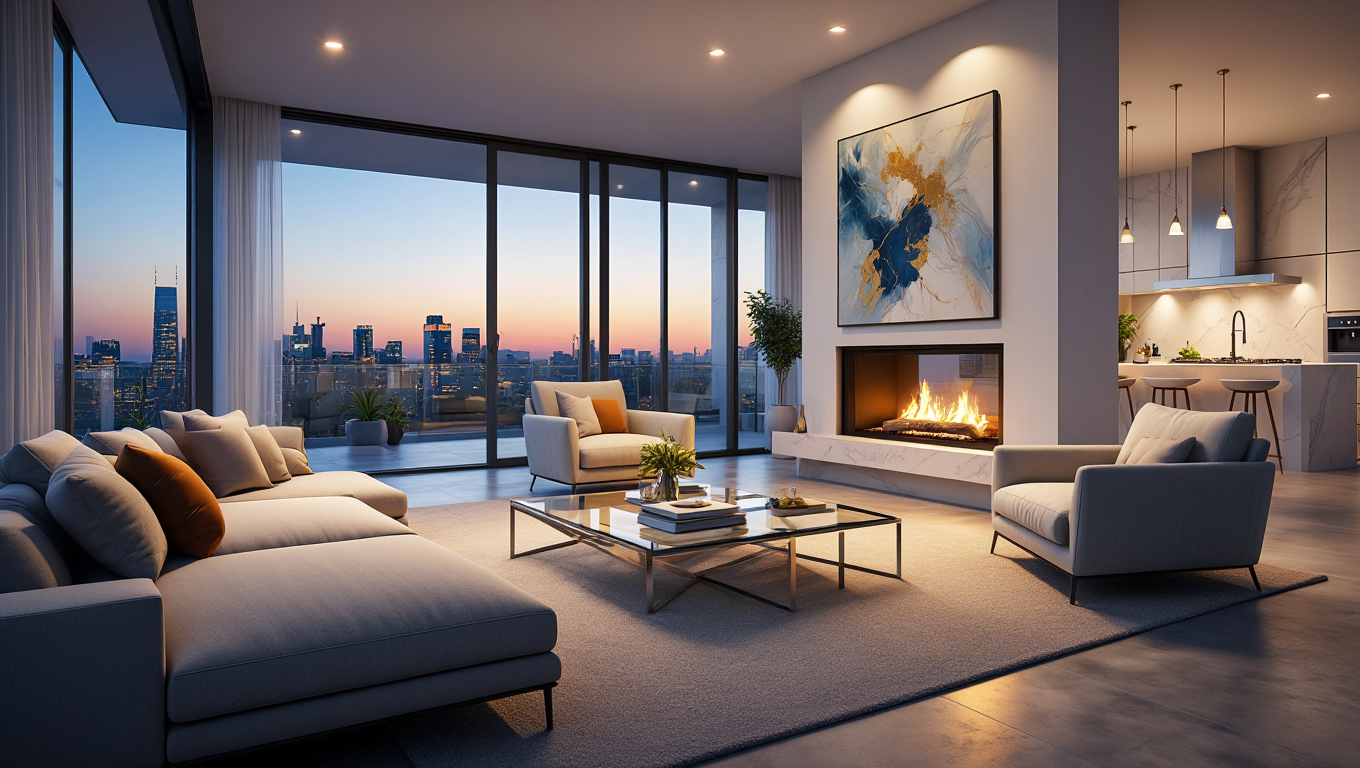

AI-Powered Space Optimization: Smart Small Apartment Solutions
Small apartment living presents unique challenges that require creative solutions, efficient planning, and intelligent design strategies. Traditional space planning relied on designer experience and trial-and-error approaches that often failed to maximize functionality while maintaining aesthetic appeal. Today's AI-powered space optimization technology analyzes spatial relationships, user behavior patterns, and multifunctional possibilities to create small apartment solutions that dramatically improve livability without compromising style or comfort.
Artificial intelligence transforms small space design by processing complex variables including traffic flow, natural light patterns, storage requirements, and lifestyle needs to generate optimal layouts that traditional methods cannot achieve. These sophisticated systems identify opportunities for space efficiency that human designers might overlook while ensuring every square foot serves multiple purposes and contributes to overall living satisfaction.
Understanding AI Space Analysis

Spatial Intelligence Systems
3D Space Mapping: AI systems create detailed three-dimensional maps of spaces that analyze ceiling height, architectural features, natural light sources, and existing infrastructure to understand optimization possibilities.
Traffic Flow Analysis: Advanced algorithms study movement patterns within spaces to identify circulation bottlenecks, optimize pathway efficiency, and ensure furniture arrangements support natural daily routines.
Functional Zone Identification: Machine learning systems analyze how different areas serve multiple purposes throughout the day, identifying opportunities for flexible furniture and adaptive space configurations.
Storage Capacity Calculation: AI accurately calculates storage needs based on lifestyle requirements while identifying hidden storage opportunities in unexpected locations like under stairs, above doorways, or within furniture.
Data-Driven Design Decisions
Lifestyle Pattern Recognition: AI systems analyze user behavior data to understand daily routines, work patterns, entertaining needs, and personal habits that influence optimal space arrangements.
Efficiency Metrics Analysis: Advanced algorithms measure space utilization rates, identifying underused areas that could serve additional functions while maintaining necessary circulation and comfort zones.
Comparative Space Studies: Machine learning analyzes thousands of successful small apartment designs to identify patterns and principles that maximize functionality within similar spatial constraints.
Performance Optimization: AI continuously evaluates space performance against usability metrics, making recommendations for improvements based on actual usage patterns and satisfaction data.
Multi-Functional Furniture Integration
AI-Curated Furniture Selection
Space-to-Function Ratio Optimization: AI systems evaluate furniture options based on how much functionality they provide per square foot occupied, prioritizing pieces that serve multiple purposes efficiently.
Dimensional Compatibility Analysis: Advanced algorithms ensure selected furniture fits properly within specific spaces while maintaining adequate clearances for comfortable movement and operation.
Style Coordination Intelligence: AI maintains aesthetic coherence while prioritizing functionality, selecting multi-functional pieces that complement overall design themes and color schemes.
Budget Optimization Algorithms: Machine learning balances functionality needs with budget constraints, identifying cost-effective solutions that provide maximum utility per dollar invested.
Smart Furniture Recommendations

Convertible Furniture Solutions: AI identifies optimal convertible pieces including dining tables that become work desks, ottomans with storage capacity, and sofa beds that maintain comfort in multiple configurations.
Vertical Space Utilization: Systems recommend furniture that maximizes vertical space including tall bookcases, loft beds, and wall-mounted desks that free up floor area for other activities.
Modular System Integration: AI suggests modular furniture systems that can be reconfigured for different needs while maintaining aesthetic consistency and functional efficiency.
Hidden Storage Integration: Advanced systems identify furniture with concealed storage opportunities including platform beds, storage coffee tables, and bench seating with internal compartments.
Adaptive Layout Planning
Flexible Zone Configuration: AI designs spaces that can adapt to different activities throughout the day using movable partitions, flexible furniture, and multi-purpose areas.
Seasonal Adaptation Strategies: Systems account for seasonal lifestyle changes, recommending layouts that can accommodate different activities during various times of year.
Guest Accommodation Planning: AI optimizes spaces to accommodate occasional guests without compromising daily functionality through convertible furniture and flexible arrangements.
Growth and Change Preparation: Advanced systems plan for lifestyle changes including remote work needs, hobby development, and relationship changes that might affect space requirements.
Room-by-Room Optimization
Living Area Maximization
Central Hub Design: AI creates living areas that serve as central hubs for multiple activities including relaxation, entertainment, work, and dining through strategic furniture placement and flexible configurations.
Sight Line Optimization: Systems analyze visual connections throughout spaces to create feelings of openness while maintaining functional separation between different activity zones.
Natural Light Enhancement: AI optimizes furniture placement to maximize natural light distribution while preventing furniture from blocking windows or creating dark corners.
Technology Integration Planning: Advanced systems incorporate technology needs including television viewing angles, charging stations, and internet connectivity requirements into layout optimization.
Kitchen Efficiency Solutions

Work Triangle Optimization: AI analyzes kitchen work triangles to ensure efficient movement between refrigerator, sink, and cooking areas while maximizing counter space and storage accessibility.
Vertical Storage Maximization: Systems identify opportunities for vertical storage including ceiling-height cabinets, wall-mounted racks, and magnetic storage solutions that utilize all available wall space.
Multi-Functional Surface Planning: AI recommends surfaces that serve multiple purposes including islands that provide storage, seating, and workspace while maintaining traffic flow.
Appliance Integration Strategy: Advanced algorithms select appliances based on space efficiency, functionality needs, and integration opportunities with cabinetry and countertop configurations.
Bedroom Space Enhancement
Sleep Zone Optimization: AI ensures bedroom layouts prioritize sleep quality through proper bed placement, lighting control, and noise reduction while maximizing remaining space functionality.
Closet Efficiency Maximization: Systems analyze clothing storage needs and recommend closet organization solutions that dramatically increase storage capacity within existing spaces.
Multi-Purpose Bedroom Planning: AI creates bedrooms that accommodate additional functions including work areas, exercise space, or reading nooks without compromising sleep comfort.
Under-Bed Storage Utilization: Advanced systems maximize under-bed storage through platform bed recommendations, storage containers, and organization systems that utilize every available inch.
Bathroom Space Solutions
Fixture Placement Optimization: AI analyzes bathroom layouts to ensure optimal fixture placement that meets building codes while maximizing available floor space and storage opportunities.
Vertical Storage Integration: Systems identify bathroom storage opportunities including above-toilet storage, corner shelving, and wall-mounted cabinets that don't interfere with daily activities.
Multi-Functional Fixture Selection: AI recommends fixtures that provide additional functionality including vanities with extensive storage, mirrors with integrated lighting, and shower systems with built-in storage.
Space Perception Enhancement: Advanced algorithms suggest design elements including mirror placement, lighting strategies, and color schemes that make small bathrooms feel larger and more comfortable.
Smart Storage Solutions
AI-Driven Storage Analysis

Storage Needs Assessment: Machine learning analyzes lifestyle patterns to accurately predict storage requirements for clothing, books, kitchen items, electronics, and personal belongings.
Hidden Space Identification: AI identifies unconventional storage opportunities including space under staircases, above doorframes, within wall cavities, and behind furniture arrangements.
Accessibility Optimization: Systems ensure frequently used items remain easily accessible while seasonal or occasional items are stored in harder-to-reach locations.
Organization System Recommendations: Advanced algorithms suggest organization systems including containers, dividers, and labeling strategies that maximize storage efficiency while maintaining easy access.
Vertical Storage Strategies
Wall-Mounted System Integration: AI recommends wall-mounted storage systems that utilize vertical space without interfering with furniture placement or daily activities.
Ceiling Storage Utilization: Systems identify opportunities for ceiling-mounted storage including overhead racks, hanging organizers, and suspended containers that don't affect room aesthetics.
Floor-to-Ceiling Solutions: AI suggests built-in storage solutions that extend from floor to ceiling to maximize storage capacity while maintaining clean, uncluttered appearances.
Corner Space Maximization: Advanced systems optimize corner spaces through specialized furniture and storage solutions that efficiently utilize often-wasted angular areas.
Integrated Storage Design
Furniture Storage Combination: AI identifies furniture pieces that integrate storage seamlessly including ottomans, coffee tables, and seating with internal storage compartments.
Architectural Storage Integration: Systems suggest built-in storage solutions that work with existing architectural features including window seats with storage, stair storage, and alcove utilization.
Dual-Purpose Storage Solutions: Advanced algorithms recommend storage solutions that serve additional functions including storage benches that provide seating and decorative storage that enhances aesthetics.
Modular Storage Systems: AI suggests flexible storage systems that can be reconfigured as needs change while maintaining aesthetic consistency and functional efficiency.
Lifestyle-Based Optimization
Work-From-Home Integration

Dedicated Workspace Creation: AI analyzes available space to create productive work areas that maintain separation from living spaces while efficiently utilizing available square footage.
Technology Infrastructure Planning: Systems ensure work areas have adequate electrical outlets, internet connectivity, and cable management solutions without disrupting living space aesthetics.
Ergonomic Considerations: Advanced algorithms ensure work spaces meet ergonomic requirements for comfortable long-term use while fitting within small apartment constraints.
Flexible Work Zone Design: AI creates work areas that can be easily reconfigured or hidden when not in use, maintaining living space functionality for relaxation and entertainment.
Entertainment and Social Needs
Gathering Space Optimization: Systems analyze social patterns to create spaces that accommodate entertaining while maintaining daily functionality through flexible furniture and layout arrangements.
Technology Integration Strategy: AI incorporates entertainment technology including televisions, sound systems, and gaming equipment while maintaining clean aesthetics and space efficiency.
Traffic Flow Management: Advanced systems ensure social spaces allow comfortable movement and conversation while maintaining access to other areas during gatherings.
Storage for Entertainment Items: AI identifies storage solutions for entertainment equipment, games, books, and social accessories that keep spaces organized while maintaining easy access.
Personal Wellness Integration
Exercise Space Creation: Systems identify opportunities for exercise areas that can be quickly set up and stored away, including floor space for yoga and storage for equipment.
Relaxation Zone Design: AI creates quiet zones for reading, meditation, or relaxation that provide psychological separation from work and social areas.
Natural Light Optimization: Advanced algorithms maximize access to natural light for both physical and psychological wellness while maintaining privacy and glare control.
Air Quality and Ventilation: Systems consider air circulation needs and recommend plants, air purifiers, and ventilation improvements that support health within small spaces.
Technology Integration
Smart Home Optimization

Automated Systems Integration: AI recommends smart home technologies that save space while improving functionality including automated lighting, climate control, and security systems.
Voice Control Integration: Systems suggest voice-controlled devices that eliminate need for physical controls while providing convenient access to home systems and entertainment.
App-Based Home Management: Advanced AI recommends smartphone apps that control multiple home systems from single interfaces, reducing need for physical control panels and remotes.
Energy Efficiency Optimization: Systems integrate energy-efficient technologies that reduce utility costs while minimizing equipment space requirements in small apartments.
Connectivity Solutions
Wi-Fi Optimization: AI analyzes apartment layouts to recommend router placement and network equipment positioning that provides optimal coverage while minimizing visual impact.
Charging Station Integration: Systems identify convenient locations for device charging that don't interfere with furniture arrangement while maintaining easy access to power.
Cable Management Solutions: Advanced algorithms suggest cable management strategies that maintain clean aesthetics while providing necessary connectivity throughout spaces.
Tech Storage Organization: AI recommends storage solutions for electronic devices, cables, and accessories that keep technology organized while maintaining easy access.
Future-Proofing Strategies
Adaptable Technology Infrastructure: Systems plan for future technology needs by ensuring adequate power, connectivity, and space for emerging smart home devices and systems.
Upgrade Path Planning: AI considers how current recommendations can be upgraded or expanded as technology advances and lifestyle needs change over time.
Integration Flexibility: Advanced systems ensure technology recommendations can work together while allowing for future additions and modifications without major redesign.
Cost-Effective Implementation: AI prioritizes technology investments that provide maximum utility while fitting within budget constraints and space limitations.
Budget-Conscious Solutions
Cost-Effectiveness Analysis

Value-per-Square-Foot Calculations: AI analyzes furniture and design solutions based on functionality provided per dollar invested, prioritizing purchases that offer maximum utility within budget constraints.
DIY Solution Identification: Systems identify do-it-yourself projects and solutions that can significantly improve space efficiency without professional installation costs.
Phased Implementation Planning: Advanced algorithms create implementation plans that prioritize highest-impact improvements while spreading costs over time to maintain budget flexibility.
Long-Term Value Assessment: AI considers long-term durability and versatility of solutions to ensure investments provide lasting value and adaptability to changing needs.
Affordable Optimization Strategies
Existing Item Repurposing: Systems analyze existing furniture and belongings to identify repurposing opportunities that improve space efficiency without additional costs.
Budget Furniture Alternatives: AI identifies affordable furniture alternatives that provide similar functionality to expensive options while maintaining quality and aesthetic standards.
Incremental Improvement Approach: Advanced systems prioritize improvements that can be implemented gradually, allowing space optimization to progress within available budget constraints.
Cost-Sharing Opportunities: AI identifies solutions that could be shared with neighbors or building management to reduce individual costs while improving overall functionality.
Resource Optimization
Material Efficiency Maximization: Systems recommend solutions that make efficient use of materials, reducing waste and costs while achieving optimal space utilization results.
Energy Cost Reduction: AI suggests improvements that reduce ongoing energy costs, providing long-term savings that justify initial investment expenses.
Maintenance Cost Minimization: Advanced algorithms prioritize low-maintenance solutions that reduce long-term costs while maintaining functionality and aesthetic appeal over time.
Resale Value Consideration: Systems consider how improvements affect apartment resale or rental value, ensuring investments contribute positively to overall property value.
Implementation and Results
Installation and Setup
Professional vs. DIY Assessment: AI analyzes which optimizations require professional installation versus DIY implementation, helping plan labor costs and timeline requirements.
Staging Implementation Process: Systems create implementation timelines that minimize disruption while allowing continued apartment use throughout optimization processes.
Quality Assurance Guidelines: Advanced algorithms provide quality standards and inspection guidelines to ensure implementation meets optimization goals and safety requirements.
Post-Implementation Assessment: AI provides evaluation criteria to assess optimization success and identify areas for further improvement or adjustment.
Performance Monitoring

Functionality Tracking: Systems monitor how well optimized spaces serve intended functions while identifying areas that might benefit from further adjustment.
Satisfaction Metrics: AI tracks user satisfaction with implemented solutions while identifying successful strategies that could be expanded or replicated.
Efficiency Measurements: Advanced algorithms measure actual space efficiency improvements compared to original configurations and predicted performance levels.
Continuous Improvement Recommendations: Systems provide ongoing suggestions for minor adjustments and improvements based on actual usage patterns and changing needs.
Future Developments
Emerging Technologies
Augmented Reality Planning: AR technology will allow real-time visualization of optimization recommendations within existing spaces before implementation.
IoT Integration Enhancement: Internet of Things sensors will provide detailed usage data to continuously optimize space arrangements based on actual behavior patterns.
AI Learning Advancement: Machine learning systems will become more sophisticated at predicting user needs and generating increasingly personalized optimization solutions.
Robotics Integration: Future systems may incorporate robotic furniture and storage solutions that automatically reconfigure based on daily schedules and activities.
Market Evolution
Standardization Development: Industry standards for AI space optimization will emerge to ensure quality and effectiveness of recommendations across different platforms.
Accessibility Improvements: Technology costs will decrease while capabilities expand, making advanced space optimization available to broader populations and income levels.
Integration Sophistication: AI systems will become better integrated with building management systems and smart home platforms for more comprehensive optimization solutions.
Sustainability Focus: Future developments will emphasize sustainable materials and energy-efficient solutions while maintaining space optimization effectiveness.
Conclusion
AI-powered space optimization represents a revolutionary approach to small apartment living that transforms challenging spatial constraints into opportunities for creative, efficient, and comfortable homes. These intelligent systems provide solutions that traditional design methods cannot match while ensuring every square foot contributes to improved quality of life.
The integration of artificial intelligence in space planning democratizes expert design knowledge while providing personalized solutions that adapt to individual lifestyles and preferences. This technology makes small apartment living not just tolerable but genuinely enjoyable and functional.
As urban living continues growing and apartment sizes remain constrained by costs and availability, AI-powered optimization becomes essential for maximizing residential satisfaction. The future of small space living lies in intelligent design that works with rather than against spatial limitations.
Success with AI space optimization requires understanding that technology serves human needs rather than replacing human judgment. The best solutions combine AI capabilities with personal preferences to create spaces that feel both efficient and personally meaningful.
Ready to maximize your small apartment's potential through intelligent design solutions? Try Room Enhance AI now and discover how artificial intelligence can transform your compact space into a perfectly optimized home that supports your lifestyle and aspirations.
Frequently Asked Questions
Q: How much can AI space optimization improve small apartment functionality? A: Studies show AI optimization can increase usable space functionality by 30-50% while improving storage capacity by up to 60% compared to traditional layouts, though results vary based on existing space characteristics.
Q: What information does AI need to optimize small apartment spaces? A: AI systems typically require room dimensions, photos of existing conditions, lifestyle information, budget parameters, and specific needs like work-from-home requirements or entertaining preferences.
Q: Can AI optimization work within very tight budgets? A: Yes, AI systems excel at identifying low-cost and DIY solutions that provide significant functionality improvements. Many optimizations can be implemented for under $500 with strategic planning.
Q: How long does it take to implement AI-recommended space optimizations? A: Implementation time varies from a few hours for simple rearrangements to several weeks for complex solutions. AI systems provide phased implementation plans that can be completed over time.
Q: Will AI optimization recommendations work in rental apartments? A: AI systems can provide extensive optimization solutions for rental spaces using non-permanent modifications, removable storage solutions, and lease-friendly improvements that don't require landlord approval.